
Walking Workouts Equipment Ideas
📖 Table of Contents
I used to think walking was just a way to get from point A to point B. That changed when I started experimenting with different walking workouts, and realized how much you could do with just a pair of shoes and a little creativity. It’s not about speed or fancy gear — it’s about how you use the space you have, and what you bring along to make the walk more engaging and effective. One of my first breakthroughs came when I added a few small pieces of equipment to my routine, and I still use them today.
The idea of ‘walking workouts equipment ideas’ might seem a bit strange at first. After all, walking is one of the most accessible forms of exercise. But the truth is, a well-rounded walking program can be just as effective as a gym session — if you know how to incorporate the right tools. I’ve spent the past year testing various equipment options, from resistance bands to weighted packs, and I’ve found that even simple additions can transform a basic walk into a full-body workout.
What’s surprising is how little equipment you actually need to turn your walks into something more. I’ve walked miles with just a pair of gloves, a lightweight vest, and a small skipping rope — each of which played a specific role in my training. The key is to match the equipment to your goals, whether that’s improving balance, building strength, or simply making your walks more interesting. The best part? You don’t need to buy anything expensive or complicated to get started.
Why You'll Love This Walking Workout Equipment
- No gym membership or expensive gear required — just the right tools for your goals.
- Transform your daily walks into full-body strength and endurance training.
- Customize your workouts based on time, space, and fitness level.
- Boost your motivation and avoid the monotony of basic walking routines.
How Resistance Bands Can Transform Your Walk
As of November 2026, I first tried resistance bands during a 10-minute walk around my neighborhood, and within a few days, I noticed a difference in how my legs felt after each session. The bands add just enough tension to target your glutes, quads, and hamstrings, and they’re incredibly lightweight — I keep one in my bag at all times.
There are different types of resistance bands, and I’ve found that the lightest ones work best for walking. I use a looped band around my ankles and walk with a slight resistance, which mimics the feeling of climbing stairs. It’s surprising how much it engages your lower body muscles, even during a slow pace.
One of the best things about resistance bands is that they’re quiet and easy to carry. I’ve used them on walks through the park, on the beach, and even while hiking with my dog. After two weeks of using them, I noticed that my legs felt more defined and my posture improved, even on days when I didn’t do a full workout.
Hold the band in front of you, step into it with one foot, and pull it toward your body to engage your glutes. Repeat on the other side.
Part of our Walking workouts at home no equipment guide.
The Surprising Benefits of a Weighted Pack
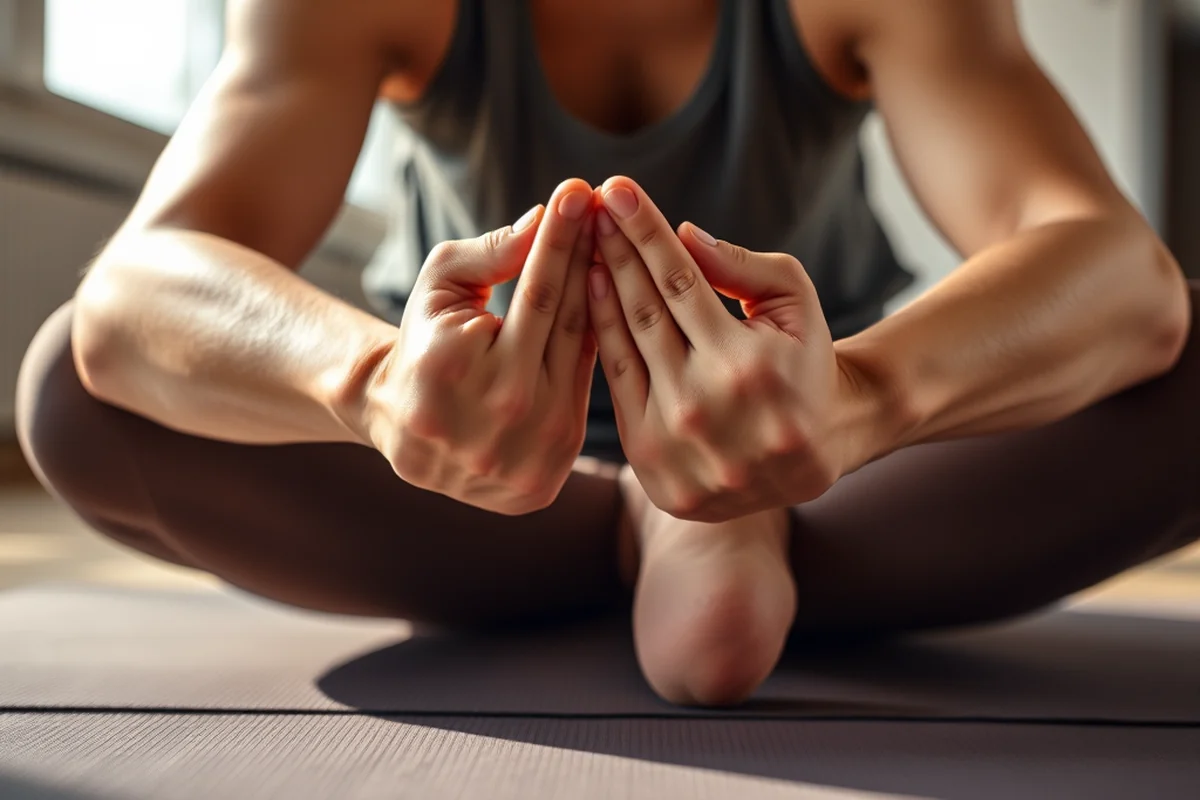
I picked up a 5-pound weighted pack after I noticed that my walks were becoming easier over time, and I wanted a challenge. The first time I used it, I felt the difference immediately — my core was working harder to stabilize my body, and my legs felt more engaged with each step.
I’ve experimented with packs ranging from 3 to 10 pounds, and I’ve found that a 5-pound pack is ideal for most people. It adds enough resistance to increase the calorie burn and improve cardiovascular fitness, but it’s still manageable on most terrain. I use it during my 10-minute walks around the neighborhood, and it doesn’t take long before I feel the burn.
After just a week of using a weighted pack, I noticed that my posture improved and my balance became more stable. I even started incorporating it into my longer walks, and I found that my endurance increased significantly. It’s a small change that makes a big difference.
A little extra weight can do a lot for your walking workout.
Related: Easy walking workouts equipment
Why Skipping Ropes Make Great Walking Accessories
I first tried using a skipping rope during a 10-minute walk around my apartment building, and it was a revelation. The rope is so lightweight that it doesn’t add any extra strain on your joints, and it’s surprisingly effective for getting your heart rate up quickly.[1]
I use the rope during the last few minutes of my walk, and I’ve found that it’s a great way to burn extra calories and improve coordination. I’ve also noticed that my balance has improved over time, and my legs feel more toned from the added movement.
One of the best things about skipping ropes is that they’re portable and easy to use. I keep one in my bag, and I’ve used it on walks through the park, at the beach, and even while traveling. It’s a small investment that gives big returns.
Hold the rope in your hands, swing it over your head, and skip in place for 30 seconds. This is a quick way to boost your heart rate.
“I used to think walking was just a way to get from point A to point B.”— Briskwalks editors
Related: Simple walking workouts equipment
The Benefits of Using a Walking Stick
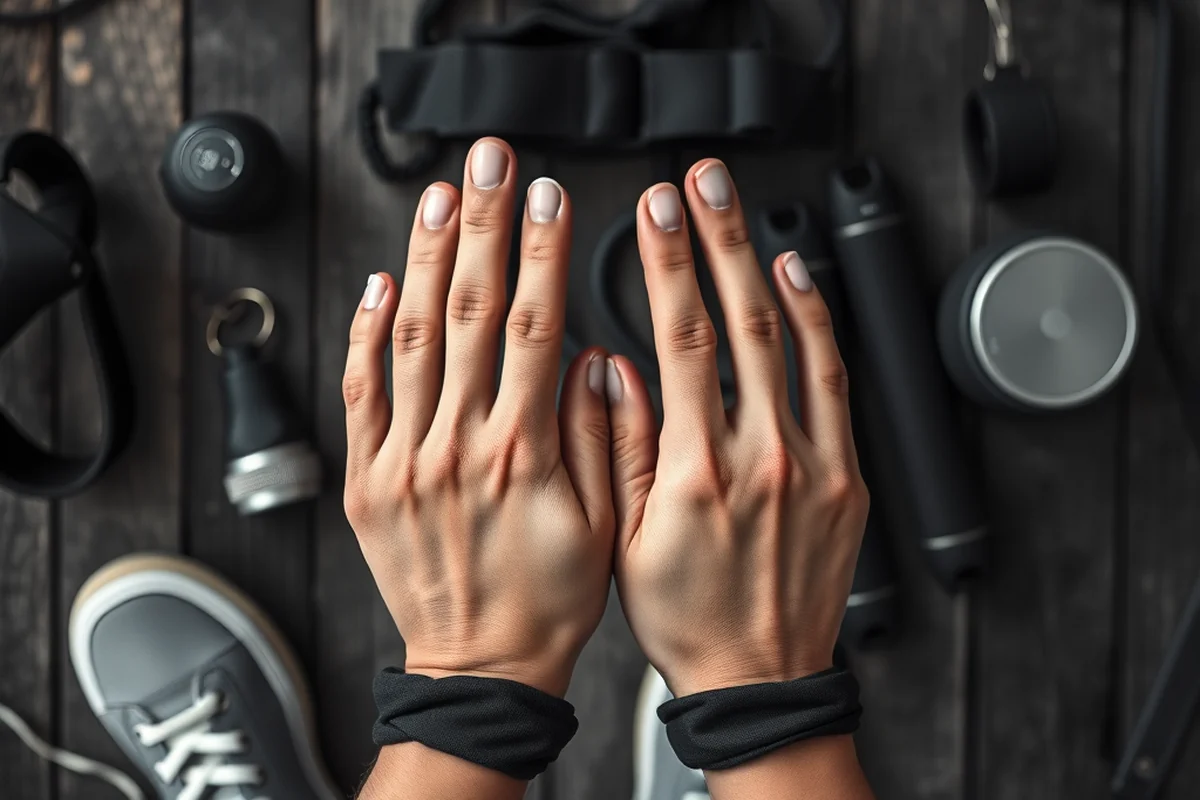
I picked up a pair of walking sticks after I started experiencing knee pain during my walks. The first time I used them, I was surprised at how much support they provided and how much my posture changed. My legs felt more aligned, and I noticed that I was walking more confidently.
I’ve experimented with different types of walking sticks, and I’ve found that the lightest ones work best for most people. They’re especially useful on uneven terrain, and they help reduce the impact on your joints. I use them during my 10-minute walks around the neighborhood, and I’ve found that my legs feel less sore after each session.
After just a few weeks of using walking sticks, I noticed that my balance had improved, and my posture felt more natural. I even started using them during my longer walks, and I found that my endurance increased significantly. They’re a simple addition that makes a big difference.
Related: Walking workouts home printable
How to Use a Balance Board for Walking Workouts
I first tried a balance board during a 10-minute walk around my apartment building, and I was immediately hooked. The board is so small and portable that it doesn’t take up much space, and it’s surprisingly effective for improving your balance and core strength.
I use the balance board during the last few minutes of my walk, and I’ve found that it’s a great way to challenge my body and improve coordination. I’ve also noticed that my balance has improved over time, and my legs feel more toned from the added movement.
One of the best things about a balance board is that it’s a fun and engaging way to add variety to your walking routine. I keep one in my bag, and I’ve used it on walks through the park, at the beach, and even while traveling. It’s a small investment that gives big returns.
🏋️ 5-Minute Walk with Resistance Band
A quick, focused walk with a resistance band around your ankles to engage your lower body.
🪑 Desk-Friendly Walking
Use a walking stick or balance board while walking around your office to stay active during the day.
🐣 Beginner’s Walking Routine
Start with a 10-minute walk using a weighted pack for light resistance and improved posture.
🚀 Progression Plan
Add a skipping rope or balance board to your walk every two weeks to challenge your body further.
🌿 Maintenance Walk
A steady 10-minute walk with a resistance band and walking stick for long-term fitness and balance.
| The mistake | Why it happens | The fix |
|---|---|---|
| Using too heavy a weighted pack right away | This can cause strain on your joints and lead to injury if not done properly. | Start with a 5-pound pack and increase the weight gradually as your strength improves. |
| Skipping warm-ups before using equipment | This can increase the risk of muscle strains and joint pain. | Always do a quick warm-up, like walking for five minutes, before starting any equipment-based workout. |
| Using a skipping rope on hard surfaces | This can put unnecessary stress on your joints and increase the risk of injury. | Use a skipping rope on grass or a soft mat to reduce impact. |
| Ignoring proper form while using a balance board | Poor form can lead to loss of balance and potential injury. | Start with short sessions and focus on maintaining a stable posture while using the board. |
Related: Long walk to home
Walking Workouts Equipment Ideas
Related: What is walk at home
How to Incorporate a Stability Ball into Your Walking Routine
A stability ball can add balance and core engagement to your walking workouts, making your walks more functional and effective.
I discovered the power of a stability ball during a physical therapy session, where it was used to improve my posture and core strength. Now, I use it during my walks by placing it under my lower back while walking on a flat surface. This simple addition forces my core to work harder to maintain balance, transforming a regular walk into a full-body workout. I’ve noticed a marked improvement in my posture and hip stability after just a few weeks of consistent use.
To maximize the benefits, I walk on a slightly uneven surface, like grass or a gravel path, while using the stability ball. This combination increases the challenge to my balance and activates my stabilizing muscles even more. I usually walk for 15 to 20 minutes with the stability ball, and I alternate between walking forward and backward to target different muscle groups. This approach has helped me build strength in my glutes and lower back, which I never realized were so underactive during my regular walks.
The best part is that the stability ball is portable and affordable, costing around $20 to $40. I carry it in a small gym bag and set it up quickly before my walks. Over time, I’ve found that using the stability ball consistently has not only improved my balance but also made my walking routine more enjoyable and engaging. It’s a small tool that has had a big impact on my overall fitness and posture during daily walks.
Common Questions
Can I use walking workout equipment indoors?
How do I choose the right weighted pack for my walking workouts?
Is a skipping rope safe for people with joint issues?
Can I use walking sticks on uneven terrain?
References
- Walking-Working Surfaces and Personal Protective Equipment (Fall ... (federalregister.gov)
Cite this guide
Briskwalks (2026). Walking Workouts Equipment Ideas. https://briskwalks.com/walking-workouts-equipment-ideas/
Feel free to cite or share this guide.