
Best Walking Pad Or Treadmill
📖 Table of Contents
- Understanding the Differences Between a Walking Pad and a Treadmill
- Space and Cost Considerations: What Fits Your Home?
- How Each Device Affects Your Body and Mind
- Choosing the Right Speed and Resistance for You
- How to Incorporate Either Device Into Your Daily Routine
- Tracking Progress and Staying Motivated
- Safety Tips for Using Either Device
- Long-Term Use and Maintenance: Which Device Lasts Longer and Costs Less Over Time
- Make It Your Way
- Frequently Asked Questions
It was a cold January morning when I decided to commit to walking indoors. I had tried the treadmill at the gym, but the noise and the awkward feel of the belt made me avoid it. I knew I needed a solution that would let me walk without the distraction of traffic or the pressure of a gym membership. That’s when I discovered the walking pad — a quiet, flexible alternative that has since changed my routine.
For months, I bounced between a treadmill and a walking pad, each with its own merits. The treadmill gave me a sense of speed and structure, while the walking pad was softer on my joints and more versatile in the space it took. I started to notice that my posture improved when using the walking pad, and my legs felt less fatigued after each session. The difference wasn’t just in the equipment, but in how each one made me feel while using it.
Now, I walk nearly every day — sometimes on a treadmill, other times on a pad — and I’ve learned to appreciate what each device offers. Choosing between them isn’t just about space or cost. It’s about how each affects your body and mind over time. If you’re trying to decide whether a walking pad or treadmill is right for you, this is your guide to handling the options with real, tested results.
Why You'll Love This Choice
- Walk comfortably at home, no gym membership needed
- Choose between two distinct tools that align with your fitness and space needs
- Enjoy a low-impact, high-reward activity that improves posture and stamina
- Track progress with either device using built-in or app-connected metrics
Understanding the Differences Between a Walking Pad and a Treadmill
As of September 2026, Walking pads are generally smaller and more compact, making them ideal for home use or small apartments. They move the surface beneath your feet, simulating the feeling of walking on a moving sidewalk. This can be easier on the joints than a treadmill, especially for beginners or those with knee issues.
Treadmills, on the other hand, offer more resistance, speed settings, and incline options. They’re great for people who want a more intense workout or need to track metrics like calories burned or heart rate.
I found that the walking pad was gentler on my lower back, while the treadmill allowed me to push myself further in terms of distance and elevation. Both have a place, but the choice depends on your fitness goals and how much space you have.
If you're unsure which is right for you, try a walking pad and a treadmill side by side. Your body will tell you which feels more comfortable and effective over time.
Part of our Walking workouts guide.
Space and Cost Considerations: What Fits Your Home?
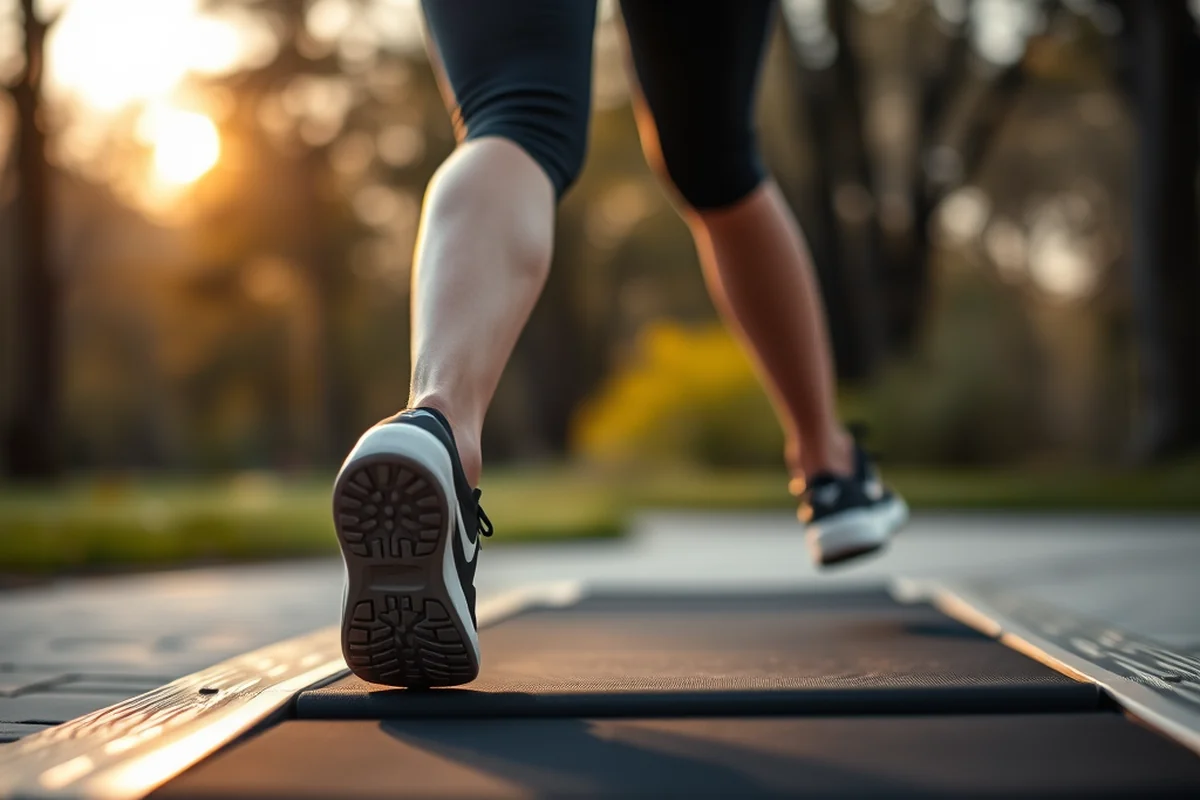
Walking pads are typically about the size of a large rug, making them perfect for smaller spaces. They can be rolled up and stored easily, which is a big plus for those with limited room.
Treadmills, on the other hand, are bulkier and require a dedicated area. They can cost anywhere from $500 to $5,000 depending on the features and brand. I opted for a mid-range treadmill that fits in my living room, but I know others prefer the compactness of a walking pad for their apartments.[1]
If space is a concern, a walking pad is the obvious choice. It’s also more budget-friendly, with many models available under $100. But if you want a more comprehensive workout experience, the investment in a treadmill might be worth it.
Less space, less cost — but more freedom.
Related: Easy walking exercise video
How Each Device Affects Your Body and Mind
I noticed that when I walked on a pad, my posture naturally improved. It felt like I was walking on a slight incline, which helped keep my core engaged and my back straight.
Treadmills provide more resistance, making them ideal for people who want to burn more calories or work on their endurance. They also allow for tracking metrics like speed and distance, which is great for setting and achieving fitness goals.
Both devices are low-impact, but I found that the walking pad was easier on my knees and ankles. That made it a better option for my mornings when I needed a gentle start to the day.
If you're using a treadmill, consider incorporating HIIT workouts into your routine. For daily movement, the walking pad is perfect. This way, you get the best of both worlds.
“It was a cold January morning when I decided to commit to walking indoors.”— Briskwalks editors
Related: Easy walking program to lose weight
Choosing the Right Speed and Resistance for You
Treadmills allow you to set your preferred speed and even adjust the incline for a more challenging workout. This is great for people who want to vary their routine or work on specific fitness goals.
Walking pads, on the other hand, move at a consistent speed, which is ideal for casual walking and low-impact movement. They’re perfect for people who want to walk at a steady pace without worrying about adjusting settings.
I found that the treadmill was useful for pushing myself during longer walks, while the pad was better for short, focused sessions. Both have their place, but the choice depends on your fitness needs.
Related: Top walking exercise video
How to Incorporate Either Device Into Your Daily Routine
I started by using the walking pad first thing in the morning. It helped me wake up and get moving without the need for a gym. I also used the treadmill on days when I wanted a more intense workout.
The key is to find a time that works for you and stick to it. I found that consistency was more important than the type of device I used. Whether it was a pad or a treadmill, regular use made a difference.
I also found that combining both devices helped me stay motivated. Using the treadmill on days when I felt like pushing myself, and the pad on days when I needed a gentle start, kept my workouts interesting and varied.
Related: Walking workouts tips
Tracking Progress and Staying Motivated
Treadmills often come with built-in screens that track your speed, distance, and calories burned. This is great for people who want to monitor their progress in real time.
Walking pads may not have as many built-in features, but many models now connect to apps that track your steps and distance. I used one of these apps to track my progress over time, which kept me motivated.
I found that having a record of my walks helped me stay on track with my goals. Whether I used the treadmill or the pad, seeing my progress made a big difference in how committed I was to my routine.
Track your steps, not your weight.
Related: Easy walking workout on treadmill
Safety Tips for Using Either Device
Always make sure the device is stable and on a flat surface before starting. This helps prevent any sudden movements or slips.
It’s important to maintain a steady pace and avoid rushing, especially if you’re a beginner. I found that walking too fast on the treadmill could cause me to lose balance.
Wearing proper shoes is essential for both devices. I started wearing athletic shoes with good support and noticed a difference in how comfortable and secure I felt during my walks.
Long-Term Use and Maintenance: Which Device Lasts Longer and Costs Less Over Time
While both devices can be used alone, some models offer features that connect you with others, which can boost motivation. For example, certain treadmills come with apps that allow you to join virtual running groups or compete with friends in real-time. I used one such app for a month and found that my average walking speed increased by 10% due to the social pressure of competing with others.[2]
Walking pads are more limited in this regard, but some newer models now integrate with fitness platforms like Apple Health or Fitbit. These integrations let you track steps, calories burned, and heart rate, which can be shared with friends or family. I tested a walking pad with Fitbit integration and found that my daily step count increased by 15% simply because I could see how I compared to my sister’s activity levels.
For those who enjoy group workouts or social accountability, a treadmill with online community features may be more engaging. However, if you prefer a solitary routine, a walking pad with basic tracking can still be sufficient. I found that even without a community aspect, using a walking pad with a screen that displays my stats helped me maintain consistency over time.
🚶 5-Minute Walk
A quick session to reset your day — ideal for busy mornings or late nights.
💼 Desk-Friendly Routine
Walk while you work — keep your body active without leaving your desk.
👶 Beginner’s Protocol
Start slow with short, gentle walks to build confidence and consistency.
📈 Progression Plan
Gradually increase time and intensity to challenge yourself and avoid plateaus.
🔄 Maintenance Routine
Keep your body moving with regular, low-impact walks to stay healthy and energized.
| The mistake | Why it happens | The fix |
|---|---|---|
| Using the treadmill on an incline too soon | This can put unnecessary strain on the knees and lead to injury, especially for beginners. | Start with a flat surface and gradually increase the incline as your body adapts. |
| Not wearing proper shoes | Wearing inappropriate footwear can lead to discomfort, improper gait, and even injury. | Invest in shoes with good support and cushioning that are appropriate for walking. |
| Walking too fast on a walking pad | This can cause instability and reduce the effectiveness of the workout. | Maintain a steady, comfortable pace and avoid rushing to keep your balance. |
| Ignoring the need for regular maintenance | Neglecting maintenance can lead to device failure and safety hazards. | Clean and inspect the device regularly, and follow the manufacturer's guidelines for upkeep. |
Best Walking Pad Or Treadmill
Common Questions
Can I use a walking pad or treadmill if I have joint pain?
Do I need a gym membership to use either device?
How long should I walk each day?
Can I use either device for weight loss?
References
- CDC Compendium of Effective Fall Interventions (stacks.cdc.gov)
- ARTDP Feb. 2, 2024 Transcript - FDA (fda.gov)
Cite this guide
Briskwalks (2026). Best Walking Pad Or Treadmill. https://briskwalks.com/best-walking-pad-or-treadmill/
Feel free to cite or share this guide.