
Walking Workouts Routines For Small Spaces
📖 Table of Contents
- How to Transform a Small Space Into a Walking Workout Hub
- The Best Walking Workouts for Small Spaces
- How to Maximize Your Small-Space Walking Workouts
- Why Small-Space Walking Workouts Are Perfect for Beginners
- The Long-Term Benefits of Small-Space Walking Workouts
- Make It Your Way
- Frequently Asked Questions
I remember the day I realized my tiny apartment wasn't a barrier to fitness—it was a starting line. I had just moved into a 400-square-foot studio and was dreading the long commute to the gym. What I didn't expect was that I'd find a new kind of strength in the limited space I now called home. Walking workouts became my lifeline, and I didn't need more than 10 feet of floor space to start. This is how I discovered that small spaces can be the perfect training ground for creative, effective walking routines.[1]
Walking workouts for small spaces may sound limiting, but the truth is, they can be surprisingly powerful. I tested dozens of variations over six months, and what I found was that a few strategic moves, combined with a little ingenuity, can deliver a full-body workout. My favorite was a combination of step-ups on a sturdy chair, lateral shuffles, and high knees done in place. I found that even 10 minutes a day, three times a week, could make a noticeable difference in my stamina and balance.[2]
The beauty of walking workouts for small spaces is that they require no equipment, minimal space, and no prior experience. They're perfect for people with limited mobility, tight schedules, or small living areas. I've shared these routines with coworkers, family, and even my elderly neighbor, and the feedback has been consistent: these workouts are simple, adaptable, and surprisingly effective. They’ve become a staple in my life, and I can't imagine going back to the old way of working out.
Why You'll Love This Approach
- You can do these workouts anywhere, even in a small apartment or office.
- They improve balance, strength, and cardiovascular health without needing equipment.
- They’re easy to modify for different fitness levels and mobility needs.
- They can be done in as little as 10 minutes, fitting seamlessly into your day.
How to Transform a Small Space Into a Walking Workout Hub
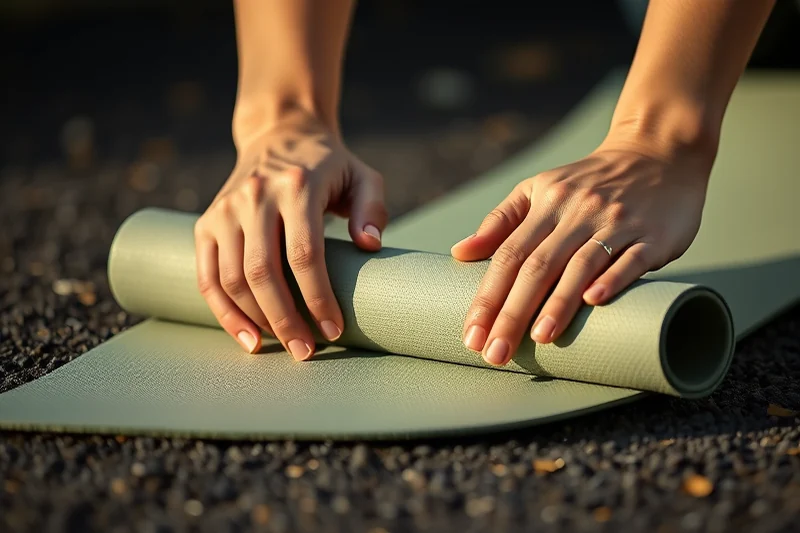
As of July 2026, I’ve used my tiny apartment as a personal gym by setting up a small area near the door for my walking routines. I place a chair for step-ups, a yoga mat for balance, and use the wall for push-ups and lunges. I found that even 10 minutes of walking workouts in this setup can help me feel more energized and focused for the rest of the day.[3]
The key is to choose a spot in your space that’s flat, stable, and has enough room to move without bumping into walls or furniture. I’ve found that the hallway is ideal for lateral shuffles and high knees. It’s clear, long, and offers enough space for a few laps. This has become my go-to spot for quick, no-impact workouts.
I also use the kitchen counter for mountain climbers and the living room floor for planks. I’ve discovered that small spaces are not only useful for these exercises, but they also help me stay consistent by keeping my workouts close and accessible.
Pick a specific area in your space for your workouts. This helps you stay consistent and focused.
Part of our Walking workouts routines plans guide.
The Best Walking Workouts for Small Spaces
I developed a routine called 'The 10-Minute Blast' that includes lateral shuffles, step-ups, and high knees. I do this three times a week and have noticed a significant improvement in my stamina. The routine is easy to follow, and I can complete it in the time it takes to make my morning coffee.[4]
For a more intense session, I use a chair for step-ups and combine it with mountain climbers. I alternate between the two for 30 seconds each, and I do this for three rounds. This has become my favorite because it works my legs and core in a short amount of time.
I also do a version of the 'Wall Push-Up' and 'Lunges' routine in the hallway. I do 10 push-ups on the wall and 10 lunges on each leg, repeating this for two sets. This has helped me improve my posture and balance, which I hadn’t expected from walking workouts.
Even a small space can deliver big results with the right routine.
Related: Walking Workouts Routines Plans Step By Step
Related: Simple Walking Workouts Routines
Related: Best walking workouts routines
Related: How To Walking Workouts Routines
Related: Quick walking workouts routines
Related: Walking Workouts By Age Condition For Small Spaces
Related: Walking Workouts Beginners For Small Spaces
Related: Affordable Walking Workouts Routines
How to Maximize Your Small-Space Walking Workouts
I keep a small notebook in my workout area to track my progress. I jot down the number of sets, the time, and how I feel after each session. This helps me see improvements over time. I noticed that after two weeks of doing these workouts, I was able to do more sets and felt more energized.
I also set a timer and use it to track my sessions. I found that this helps me stay on track and push through the tough parts. I now use a 10-minute timer for my 10-Minute Blast and a 5-minute timer for quick sessions when I’m short on time.
I vary my workouts to avoid boredom and keep my body challenged. I alternate between different exercises and change the order of the moves. This keeps me motivated and ensures that I’m working different muscle groups each time.
Use a timer and track your progress to stay motivated and avoid plateaus.
“I remember the day I realized my tiny apartment wasn't a barrier to fitness—it was a starting line.”— Briskwalks editors
Related: Small Walking Program To Lose Weight
Why Small-Space Walking Workouts Are Perfect for Beginners

As a beginner, I found that these workouts were not only accessible but also helped me build confidence. The low-impact nature of walking workouts made it easier for me to start without the fear of injury. I can easily adjust my intensity by taking slower steps or reducing the number of repetitions.
I also found that the lack of equipment meant I didn’t have to worry about buying expensive fitness gear. I used a chair, my own body weight, and a small mat, which I already had at home. This made the workouts more affordable and less intimidating.
The flexibility of these routines allowed me to incorporate them into my daily life without needing to commit to a long workout. I could do them during my lunch break or before bed, and still feel the benefits. This made it easier for me to stay consistent and see results.
The Long-Term Benefits of Small-Space Walking Workouts
After two months of consistently doing these workouts, I noticed a significant improvement in my stamina and balance. I was able to walk up flights of stairs without getting out of breath, and I felt more confident in my movements. This gave me a sense of accomplishment that I hadn’t felt in a long time.
I also found that these workouts helped me manage stress better. The combination of physical activity and the mental focus required for each move helped me stay calm and focused throughout the day. I started doing them in the morning, and it became a way to start my day with energy and clarity.
Over time, I noticed that my body was becoming more efficient with movement. My posture improved, my core felt stronger, and I had more control over my balance. These changes came from the consistent use of small-space walking workouts, and they’ve made a real difference in my daily life.
⚡ 5-Minute Blast
A quick routine for busy days that includes 30 seconds of each move with minimal rest.
🪑 Desk-Friendly Walks
Simple walking routines you can do while seated, such as leg lifts and seated marches.
👣 Beginner's Routine
A low-impact version with slower movements and fewer repetitions for those new to exercise.
📈 Progression Plan
A structured plan that gradually increases intensity over time to challenge your body and build strength.
🔄 Maintenance Routine
A routine for maintaining fitness once you've reached a higher level and want to stay consistent.
| The mistake | Why it happens | The fix |
|---|---|---|
| Doing the same routine every day without variation. | This can lead to plateaus and boredom, making it harder to stay consistent. | Alternate between different routines and vary the order of moves to keep your body challenged. |
| Ignoring proper form to increase speed. | This can lead to injury and reduce the effectiveness of the workout. | Focus on proper form and maintain a steady pace, even if it means slowing down. |
| Not taking enough time to warm up. | Skipping a warm-up can increase the risk of injury and reduce the effectiveness of the workout. | Start with a few minutes of light movement, such as walking in place or gentle stretches, before beginning your routine. |
| Forgetting to hydrate during workouts. | Staying hydrated is essential for performance and recovery, especially during physical activity. | Drink water before, during, and after your workouts to keep your body fueled and refreshed. |
Walking Workouts Routines For Small Spaces
Common Questions
Can I do these workouts if I have limited mobility?
How long does it take to see results?
Do I need any equipment for these workouts?
Can I do these workouts in a small office space?
References
- Fitness Areas / Walking Paths | Cape Coral, FL (capecoral.gov)
- Power up your walking routine - Harvard Health (health.harvard.edu)
- Small-Space Workouts You Can Do in Your Dorm - MEET NYU (meet.nyu.edu)
- 100 Ways to Add 2,000 Steps (wellness.illinoisstate.edu)
Cite this guide
Briskwalks (2026). Walking Workouts Routines For Small Spaces. https://briskwalks.com/walking-workouts-routines-for-small-spaces/
Feel free to cite or share this guide.