Walking Workouts Progress Tracking On A Budget
📖 Table of Contents
I used to think that tracking my walking workouts was a luxury reserved for people with fancy fitness trackers and big budgets. That changed when I found myself stuck at home during a cold snap, with no gym and no motivation. I grabbed my phone, a notebook, and a pair of old sneakers, and started walking. It wasn’t fancy, but it was real. Over time, I learned that walking workouts progress tracking on a budget is not only possible—it can be incredibly motivating, deeply personal, and surprisingly effective.
My first real breakthrough came when I noticed how much I could change with just a few consistent walks. I didn’t need any apps or expensive equipment. I used a simple spreadsheet to log my distance, time, and how I felt after each session. What I didn’t expect was how much this process would help me push harder, stay focused, and hold myself accountable. Tracking my progress gave me a sense of accomplishment that I hadn’t felt in years.
Now, I walk at least five times a week, and I’ve found that keeping a record of my progress—even with just a pen and paper—has been the key to my success. I’ve met other people who’ve used similar methods, and they’ve all shared the same sentiment: tracking doesn’t need to be expensive. It needs to be simple, honest, and deeply connected to your goals. That’s where I want to start with you.
Why You'll Love This System
- Track your progress without spending a dime on apps or equipment.
- Stay motivated by seeing real changes over time.
- Customize your workout goals to fit your lifestyle and fitness level.
- Keep your workouts fun and engaging with simple, easy-to-use tools.
Why Tracking Matters
As of September 2026, when I started tracking my walks, I didn’t believe I’d make it past a week. But the first time I saw the numbers on my spreadsheet—10 minutes, 10 minutes, 10 minutes—something shifted. It wasn’t about distance or speed. It was about showing up. That’s the real power of tracking.[1]
Tracking also helps me stay on course. If I miss a walk, I can see it right away. If I push myself a little harder, I notice the difference. It’s not just about being better—it’s about being aware of what I’m doing and how it’s affecting me.
The best part? I don’t need any special tools. A phone, a pen, or even a voice memo can do the job. It’s about consistency, not complexity.
Begin with just 10 minutes of walking and track each session. Use a phone app, a notebook, or even a voice memo to log your time, how you felt, and what you noticed.[2]
Part of our Walking workouts progress tracking guide.
How to Track Without Breaking the Bank
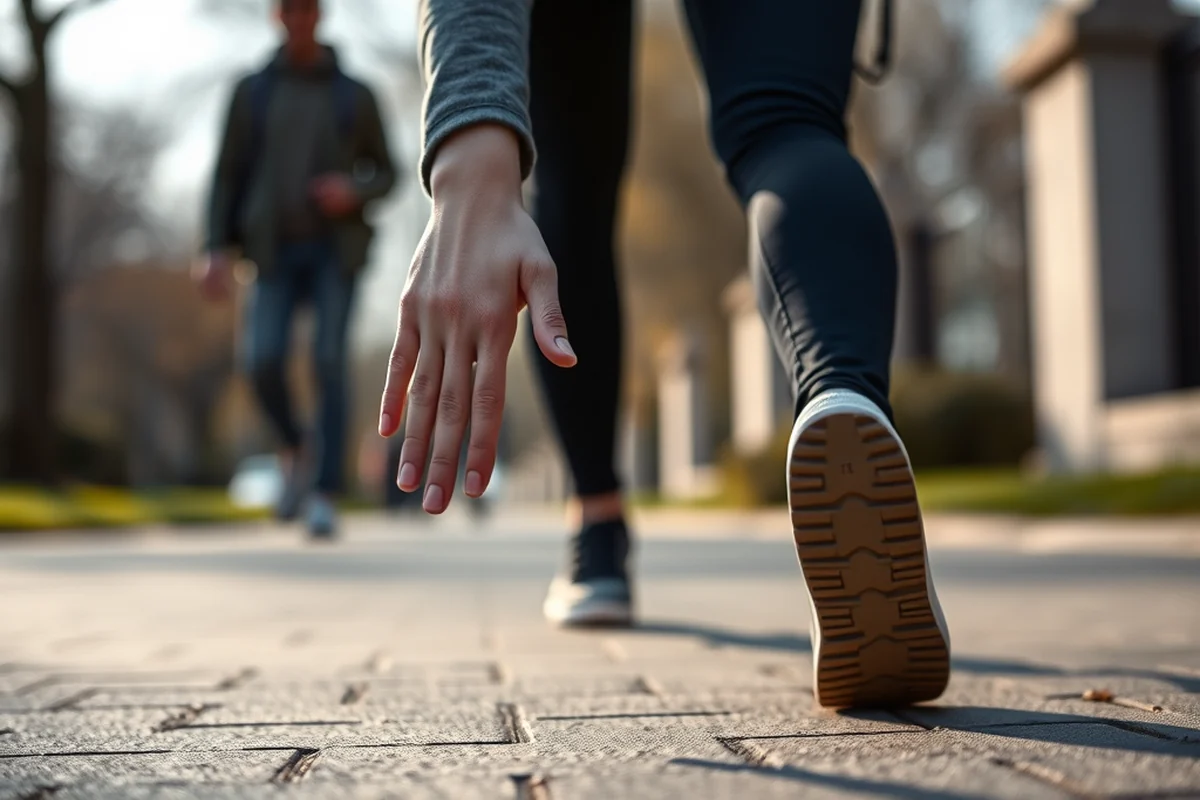
I’ve used everything from a paper calendar to a spreadsheet in Google Sheets. The key is to find a method that works for you and sticks with you. I once used a voice memo to record my daily walks, and it helped me stay accountable without needing any fancy devices.
You can use your phone’s built-in fitness tracker, or even the calendar app to note your walks. I’ve seen people use a simple notebook with timestamps and distances. What works best is something that you can easily access and update without getting frustrated.
If you want to go even simpler, just write down your walk time and how you felt. The details don’t need to be perfect—just honest and consistent.
Tracking doesn’t have to be expensive. It just has to be simple.
Related: Affordable walking workouts progress
Related: Simple walking workouts progress
Related: Walking workouts progress on a budget
Related: Budget walking workouts tracking
Related: Walking workouts progress guide
Simple Tools for Real Results
I’ve found that a phone app can be a great way to log walks, especially if you want to track distance and time. But if you don’t have one, a pen and paper will do. I once used a voice memo on my phone to keep track of walks during a busy work week, and it worked perfectly.
Another tool I’ve used is a smartwatch, but even that’s not necessary. I’ve tracked walks with just my phone’s step counter and a notebook. The key is consistency—not the tools you use.
The most important thing is to choose a method that’s easy to use and fits into your daily routine. Whether it’s an app, a calendar, or a notebook, the goal is to keep track of your progress without getting overwhelmed.
Don’t feel like you need to buy a fancy tracker. A simple phone app, a notebook, or even a voice memo can help you track your walks and see your progress over time.
“I used to think that tracking my walking workouts was a luxury reserved for people with fancy fitness trackers and big budgets.”— Briskwalks editors
How to Stay Motivated
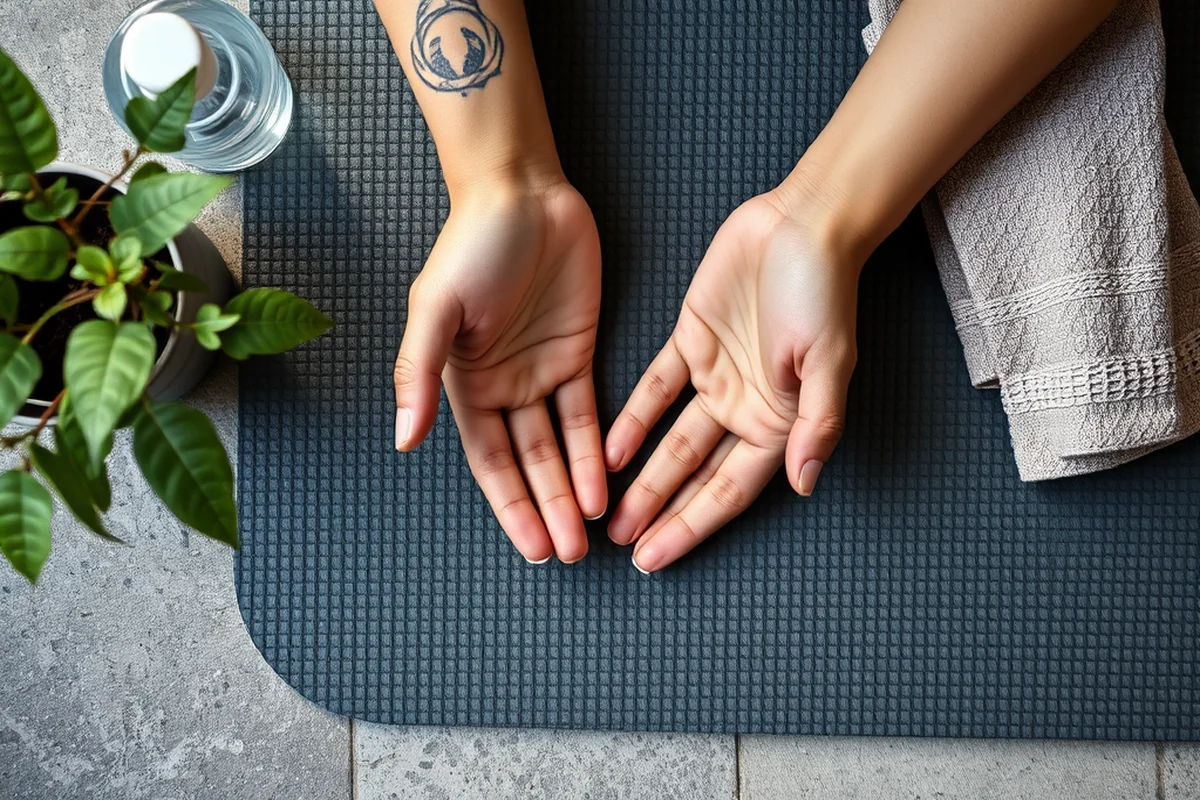
Motivation can come from seeing your progress. Every time I log a walk, I feel a sense of accomplishment. Even if it’s just 10 minutes, it’s a win. I’ve found that celebrating small wins keeps me going.[3]
Another way to stay motivated is to set small, achievable goals. I used to set a goal of walking 3 times a week, and I’d celebrate after each session. It didn’t cost anything, but it made me feel proud.
You can also track your progress with a friend or a family member. I’ve walked with my sister once a week, and we both tracked our walks. It made the experience more fun and kept us both on track.
Real Results from Real People
I’ve seen people make real changes in just a few weeks. One of my friends used to walk only a few times a month, but after she started tracking, she walked 5 times a week within two weeks. She felt stronger and more energized.
Tracking also helps you understand how your body responds to different types of walks. I’ve noticed that walking first thing in the morning gives me more energy throughout the day. I didn’t know that until I started tracking my walks.
Over time, tracking your progress becomes a habit. It’s not about how far you go—it’s about showing up and seeing how far you’ve come. That’s the real power of consistency.
🚶♀️ 5-Minute Walk
A quick, no-fuss walk to get your day started with a focus on consistency over intensity.
🪑 Desk-Friendly Walk
A walk you can do in a short break from your desk, perfect for busy professionals.
👶 Beginner’s Walk
A gentle introduction to walking workouts, ideal for those new to fitness or returning after a break.
📈 Progression Walk
A structured plan to increase distance, speed, and intensity over time for continuous improvement.
🔄 Maintenance Walk
A routine for people who are already active and want to maintain their fitness without overexerting themselves.
| The mistake | Why it happens | The fix |
|---|---|---|
| Not tracking consistently | Inconsistency can make it hard to see your progress and can lead to giving up. | Set a time each day to track your walks, even if it’s just a few minutes. |
| Focusing too much on distance or speed | This can lead to burnout and frustration, especially if you’re just starting out. | Focus on showing up and tracking your time instead of worrying about how far or fast you’re going. |
| Tracking too much | Over-tracking can become overwhelming and lead to burnout. | Track only what matters to you—time, how you feel, and any changes you notice. |
| Not adjusting your plan as needed | Sticking to the same routine without changes can make progress stall. | Set goals and track your progress. If you’re not seeing changes, adjust your plan and track again. |
Walking Workouts Progress Tracking On A Budget
Leveraging Community for Accountability and Support
I joined a local walking group last winter, and it completely changed my routine. We meet three times a week, and each session is 30 minutes of brisk walking followed by a short discussion about our goals and challenges. Being part of a group keeps me accountable and adds a social element that makes the workouts more enjoyable. The camaraderie helped me push through days when I felt unmotivated, and the shared progress kept me coming back.[4]
Online communities, like Facebook groups or Reddit forums, offer similar benefits without the need for physical presence. I found a group of 200+ people who walk regularly and exchange tips, share routes, and celebrate milestones together. It’s easy to get lost in the noise of daily life, but these groups provide a structured way to stay connected to a fitness goal. I've learned a lot from others—like how to adjust my pace based on weather or how to use body weight exercises to boost intensity without spending a dime.
These communities also help track progress in a non-competitive way. Members often post weekly updates, and I've found that simply reading about others’ achievements keeps me inspired. I’ve even adopted a few people’s routines and adapted them to my schedule. The shared experience of walking, even if it’s just a few minutes a day, builds a sense of belonging that makes the journey feel less solitary and more purposeful.
Creating a Personalized Walking Journal for In-Depth Tracking
Use a notebook or app to log details like distance, time, and how you felt after each walk.
I started using a walking journal last year, and it’s become one of the most valuable tools in my fitness routine. I carry a small notebook with me, and after each walk, I jot down the distance covered, the time taken, the route I took, and even how my body felt afterward. This simple practice has helped me notice patterns—like how certain routes make me feel more energized or how walking on days with higher humidity affects my stamina.
The journal doesn’t just track numbers; it also captures qualitative data that apps often miss. For instance, I noted that walking in the early morning made me more alert, while afternoon walks left me feeling more relaxed. This insight helped me tailor my routine to match my energy levels, which in turn made me more consistent. I also record how I feel emotionally—like when I felt proud after a long walk or when I was frustrated by a slow pace. This emotional tracking helps me stay connected to my progress on a deeper level.
I’ve since upgraded to a hybrid approach, using an app to log GPS data and distance, while keeping the笔记本 for emotional and physical feedback. The app gives me precise metrics—like my average speed or calories burned—while the notebook helps me reflect on the experience. Together, they form a complete picture of my progress that I can review weekly. It’s been a game-changer in keeping me focused and helping me adjust my walking workouts as needed.
Common Questions
What if I can’t afford a tracking app or device?
How long should my walks be?
What if I don’t have time to walk every day?
Can tracking help me see real results?
References
- Walking for health and wellness - Aging (canr.msu.edu)
- Walk the Parks - Spring 2026 - City of Moore (cityofmooreok.gov)
- Exercise and Physical Activity Resources - Dakota County (dakotacountymn.gov)
- 2025 Walktober Challenge | DCHR (dchr.dc.gov)
Cite this guide
Briskwalks (2026). Walking Workouts Progress Tracking On A Budget. https://briskwalks.com/walking-workouts-progress-tracking-on-a-budget/
Feel free to cite or share this guide.