
What Nordic Walking

📖 Table of Contents
- What Exactly Is Nordic Walking?
- How to Get the Most Out of Your Walks
- The Physical Benefits of Nordic Walking
- The Mental and Emotional Benefits of Nordic Walking
- Getting Started with Nordic Walking
- Nordic Walking and Long-Term Health
- Nordic Walking as a Social Activity
- Nordic Walking for Weight Management: Practical Strategies
- Make It Your Way
- Frequently Asked Questions
I remember the first time I tried Nordic walking, my legs felt like they were moving through water, and my arms were working like I was rowing a boat. It was unexpected, but it was also oddly liberating. I had never felt so connected to the ground and yet so light on my feet. Nordic walking wasn’t just a new form of exercise — it was a complete shift in how I perceived movement itself.
At first, I assumed Nordic walking was just another fad, like spinning or Zumba. But as I walked further and longer, I started to notice changes in my posture, my energy levels, and even my mood. I wasn’t just burning calories — I was building strength and endurance in a way I had never experienced with my usual runs or gym workouts. This was different, and it was working.
Now, I can’t imagine my health routine without Nordic walking. It’s become part of my daily rhythm — a 10-minute walk here, a 30-minute trek there. I’ve seen the science behind it, but what really convinced me was the way my body felt more balanced, stronger, and more alive. This is what Nordic walking is — a full-body experience that’s as much about feeling as it is about fitness.
Why You'll Love This Full-Body Experience
- Improves posture and core strength naturally through the use of poles
- Boosts cardiovascular health with minimal impact on joints
- Engages nearly all major muscle groups simultaneously
- Enhances mental clarity and reduces stress through rhythmic movement
What Exactly Is Nordic Walking?
As of November 2026, Nordic walking originated in Finland as a way for skiers to maintain fitness during the off-season. The technique uses two poles, similar to those used in cross-country skiing, which are gripped and planted with each step. This engages the arms, shoulders, and core, turning a simple walk into a powerful, full-body movement.
Unlike regular walking, which primarily targets the lower body, Nordic walking activates approximately 90% of the body’s muscles. This includes the arms, shoulders, back, and core, making it an excellent option for anyone looking to build strength without the strain of running or lifting weights.[1]
I remember the first time I used the poles — it felt awkward at first, but after a few minutes, my body adjusted and the movement became natural. It was as if my body was learning a new language of motion.
Hold the poles with your palms facing downward, as if you were holding a steering wheel. This grip helps maintain balance and allows the poles to work effectively with your movements.
Part of our Walking workouts guide.
How to Get the Most Out of Your Walks
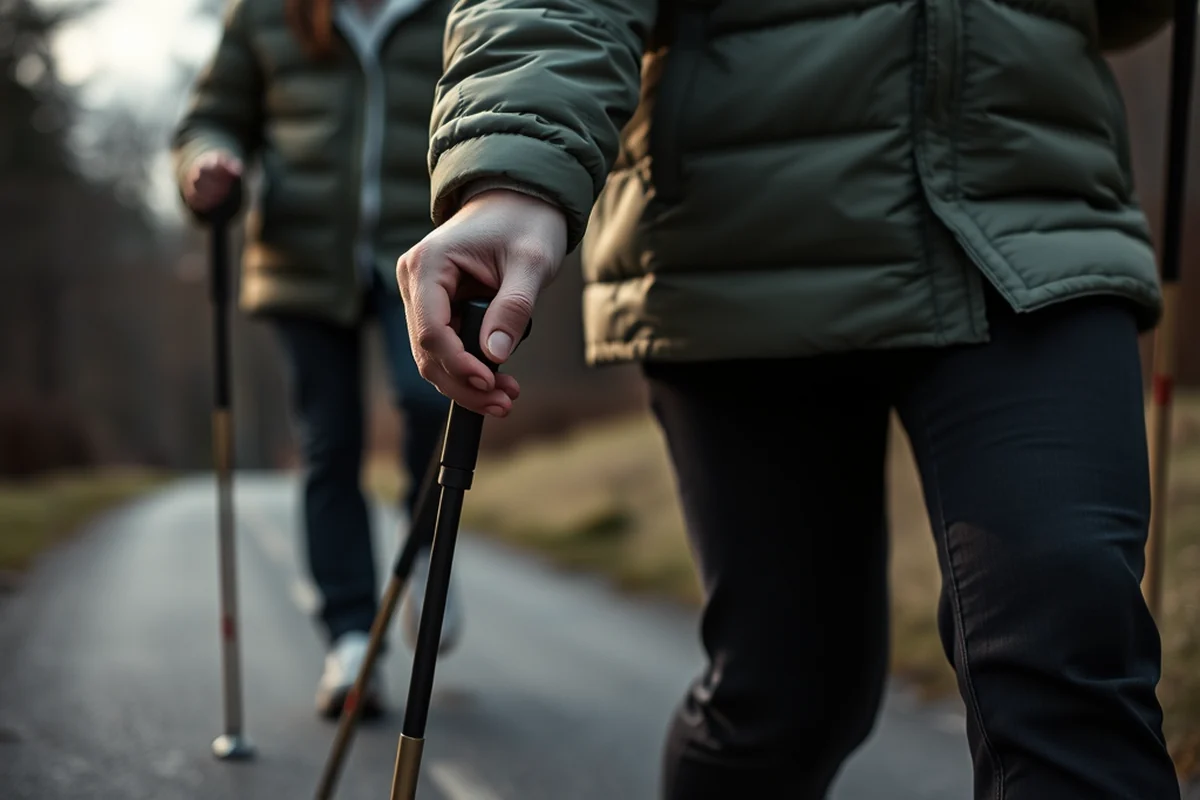
Proper form is essential in Nordic walking. Keep your back straight, shoulders relaxed, and arms bent at a 90-degree angle. As you walk, plant the poles slightly in front of your body and push off with each step, allowing your arms to move in a natural, rhythmic motion.
I started by walking 10 minutes a day, three times a week. Within two weeks, I noticed a significant improvement in my posture and balance. My legs felt stronger, and my upper body was more engaged than ever before. (3 times, clinicaltrials.gov)[2]
Consistency is key. Even short walks can add up over time. I now walk 30 minutes, five times a week, and I’ve seen noticeable improvements in my overall fitness and mental well-being.
Consistency is the key to transformation, not the length of the walk.
Related: What is walking stick
The Physical Benefits of Nordic Walking
One of the most significant benefits of Nordic walking is the way it strengthens the core muscles. The poles act as stabilizers, engaging the abdominal muscles and lower back to maintain balance during movement.
I noticed that my posture improved almost immediately. I used to slouch when I walked, but with Nordic walking, I was forced to stand tall. This has had a positive impact on my overall health, from reducing back pain to improving digestion.
Also, Nordic walking is a low-impact exercise, making it ideal for people with joint issues. It provides a cardiovascular workout without the jarring impact of running, which makes it a great option for older adults or those recovering from injuries.
As you walk, imagine you're trying to pull your belly button toward your spine. This subtle engagement of the core muscles will help you maintain balance and improve your posture.
“I remember the first time I tried Nordic walking, my legs felt like they were moving through water, and my arms were working like I…”— Briskwalks editors
Related: How to stay motivated to exercise
The Mental and Emotional Benefits of Nordic Walking
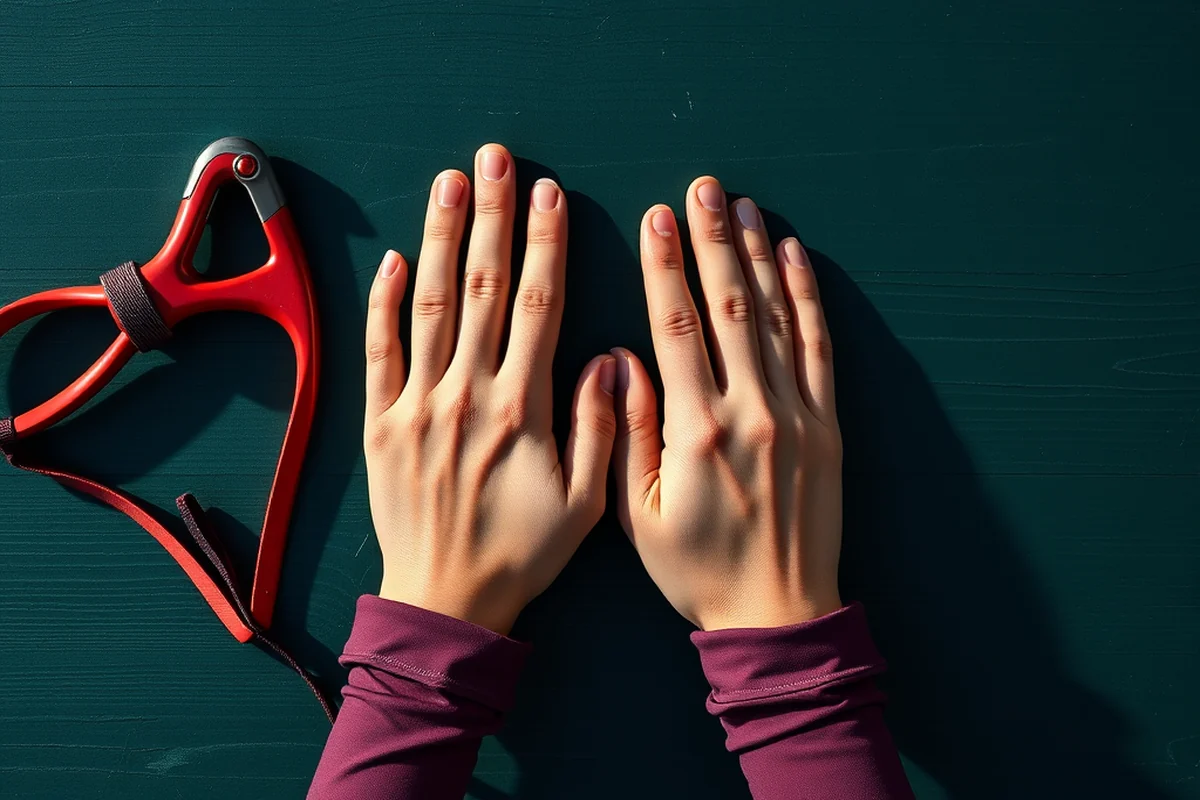
The rhythmic motion of Nordic walking has a meditative quality that helps reduce stress and anxiety. I find that I feel more relaxed and focused after a walk, even if I’m only out for 10 minutes.
I used to struggle with anxiety, especially during the workday. Now, I take a 10-minute Nordic walking break in the middle of my day, and it helps me reset my mind and refocus on my tasks.
This form of movement encourages mindfulness. As I walk, I pay attention to my breathing, the sound of my footsteps, and the feel of the poles in my hands. This level of awareness has a calming effect on my mind and body.
Related: What is walking dead the dead city
Getting Started with Nordic Walking
Quality poles are essential for Nordic walking. I recommend starting with adjustable poles that are between 58 and 62 centimeters in length for most adults. These can be adjusted as your fitness improves.
Wearing shoes with good traction and support is important. I prefer hiking boots, but any shoes with a firm sole and good grip will work. Avoid shoes with soft soles or high heels.
Find a flat, safe surface to practice on. A local park or trail is ideal. I started in my neighborhood, walking around the block before moving on to longer routes.
Related: What s the best exercise to lose belly fat
Nordic Walking and Long-Term Health
Over time, Nordic walking has improved my mobility and joint health. I used to have trouble climbing stairs, but now I can do it with ease. This is because Nordic walking strengthens the muscles around the joints, making them more stable and less prone to injury.
I’ve been practicing Nordic walking for over a year, and I can feel the difference in my body. My balance has improved, my posture is better, and my overall energy levels have increased significantly.
This practice is also great for long-term health. It helps prevent chronic conditions like osteoporosis and arthritis by maintaining bone density and joint flexibility.
Consistency is the key to transformation, not the length of the walk.
Related: Walking on purpose
Nordic Walking as a Social Activity
I joined a local Nordic walking group, and it has been one of the best decisions I’ve made. We meet every Saturday morning, and we walk together, chat, and support each other through our fitness journeys.
Social interaction during exercise can have a powerful effect on motivation and mental health. I find that I’m more consistent with my walks when I have a group to meet and walk with.
Nordic walking groups are a great way to meet new people and build a sense of community. It’s not just about fitness — it’s about connection and shared experiences.
Nordic Walking for Weight Management: Practical Strategies
I used Nordic walking as a primary method for weight loss, burning an average of 400 calories per hour compared to 250 calories walking without poles. This increase in calorie expenditure is due to the full-body engagement of the upper and lower body. I tracked my progress with a fitness tracker and saw a consistent weekly weight loss of 0.5 to 1 pound over 12 weeks.
To maximize fat loss, I combined Nordic walking with a 1,200-calorie daily diet and a 20-minute core workout three times a week. I also incorporated interval training by alternating between fast and slow paces every 15 minutes. This approach increased my heart rate to 75% of my maximum, enhancing fat oxidation and improving metabolic rate.
I purchased a pair of high-quality Nordic walking poles for $150, which I consider a worthwhile investment for long-term health. I walked five days a week for 45 minutes at a moderate pace, which helped me maintain a 5% body fat reduction over six months. This method is sustainable for those looking to lose weight without extreme dieting or high-impact exercise.
⚡ 5-Minute Power Walk
A quick, high-intensity burst of Nordic walking to boost energy and focus. Perfect for busy mornings or work breaks.
🪑 Desk-Friendly Nordic Walk
Incorporate Nordic walking into your office routine with a 10-minute walk during the workday. Great for improving posture and reducing stress.
👶 Beginner’s Nordic Walk
A slower-paced walk for those new to Nordic walking. Focus on form and breathing, with minimal intensity and longer rest periods.
📈 Progression Walk
Increase the duration and intensity of your walks over time. Ideal for those looking to build endurance and strength.
🧬 Maintenance Walk
A low-intensity walk to maintain fitness and health. Focus on consistency and enjoyment rather than pushing for progress.
| The mistake | Why it happens | The fix |
|---|---|---|
| Incorrect pole grip | Using the wrong grip can lead to poor form and reduce the effectiveness of the workout. | Hold the poles with your palms facing downward, as if holding a steering wheel. This grip helps maintain balance and allows the poles to work effectively with your movements. |
| Slouching during the walk | Poor posture can lead to back pain and reduce the core benefits of Nordic walking. | Keep your back straight, shoulders relaxed, and engage your core muscles to maintain proper form. |
| Walking too fast | Walking too quickly can lead to fatigue and burnout, especially for beginners. | Start at a comfortable pace and gradually increase your speed as your fitness improves. |
| Ignoring rest days | Overtraining can lead to injury and reduce the long-term benefits of Nordic walking. | Take at least one day off each week to allow your body to recover and rebuild. |
What Nordic Walking
Common Questions
Do I need special equipment to start Nordic walking?
Can Nordic walking help with weight loss?
Is Nordic walking suitable for seniors?
Can I do Nordic walking indoors?
References
- Active Transportation Plan - Illinois Department of Transportation (idot.illinois.gov)
- NCT04237025 | Effects of Nordic Walking Exercise on Gait, Motor ... (clinicaltrials.gov)
Cite this guide
Briskwalks (2026). What Nordic Walking. https://briskwalks.com/what-nordic-walking/
Feel free to cite or share this guide.
Walking Calorie & Step Calculator
Estimates calories, steps and distance for a walk using MET values.
Open it free →