
Walking Workouts Beginners Tips
📖 Table of Contents
I remember the first time I tried a walking workout — I was out of breath after ten minutes and my legs felt like they were made of concrete. I had no idea how to pace myself, what shoes to wear, or how to make it actually feel like a workout. But after a few weeks of sticking with it, I noticed changes: my stamina improved, my posture straightened, and I actually started looking forward to those daily walks. If you're a beginner, this guide will help you handle the basics of walking workouts without the overwhelm.
Walking is one of the most accessible forms of exercise, but for beginners, it can feel overwhelming. I used to think that walking workouts were just long, boring walks, and I avoided them for years. But when I finally gave it a try — with the right tips and mindset — I realized how powerful this simple movement could be. Walking doesn’t require equipment, a gym, or a complicated routine. It just requires showing up and being consistent.
If you're new to walking workouts, the key is to start small and build up gradually. I learned this the hard way — I tried to walk too much too soon and ended up sore and discouraged. But once I adopted a smarter, more sustainable approach, I saw real progress. This article is a roadmap for beginners, with real-life examples and tested techniques that helped me, and will help you, get the most out of walking workouts.
Why You'll Love This Walking Workout Guide
- No equipment or gym access needed — walk anywhere, anytime.
- Improves heart health and strengthens your legs in just a few weeks.
- Boosts mood and energy without the burnout of high-intensity workouts.
- Easy to incorporate into your daily routine and adaptable for all fitness levels.
Start with the Right Gear
As of September 2026, I used to wear my everyday sneakers on walks and ended up with sore feet and blisters. Investing in a good pair of walking shoes was one of the best decisions I made. Look for shoes with good arch support, cushioning, and breathable fabric. I found that shoes with a slight heel-to-toe drop helped me walk more comfortably for longer periods.
Clothing is another important factor. I used to wear tight jeans and ended up feeling restricted and uncomfortable. Now I wear breathable, moisture-wicking clothing that allows me to move freely. Avoid cotton, as it retains sweat and can lead to chafing and discomfort.
A water bottle is a game-changer. I used to forget to hydrate during my walks and ended up feeling sluggish. Carrying a 500ml bottle keeps me hydrated and helps me push through longer walks. I’ve noticed that staying hydrated makes my walks feel easier and more sustainable.
Try on walking shoes with the same kind of socks you’ll wear during your walks. Walk around the store to test comfort and fit.
Part of our Walking workouts for beginners guide.
Set Realistic Goals and Track Progress
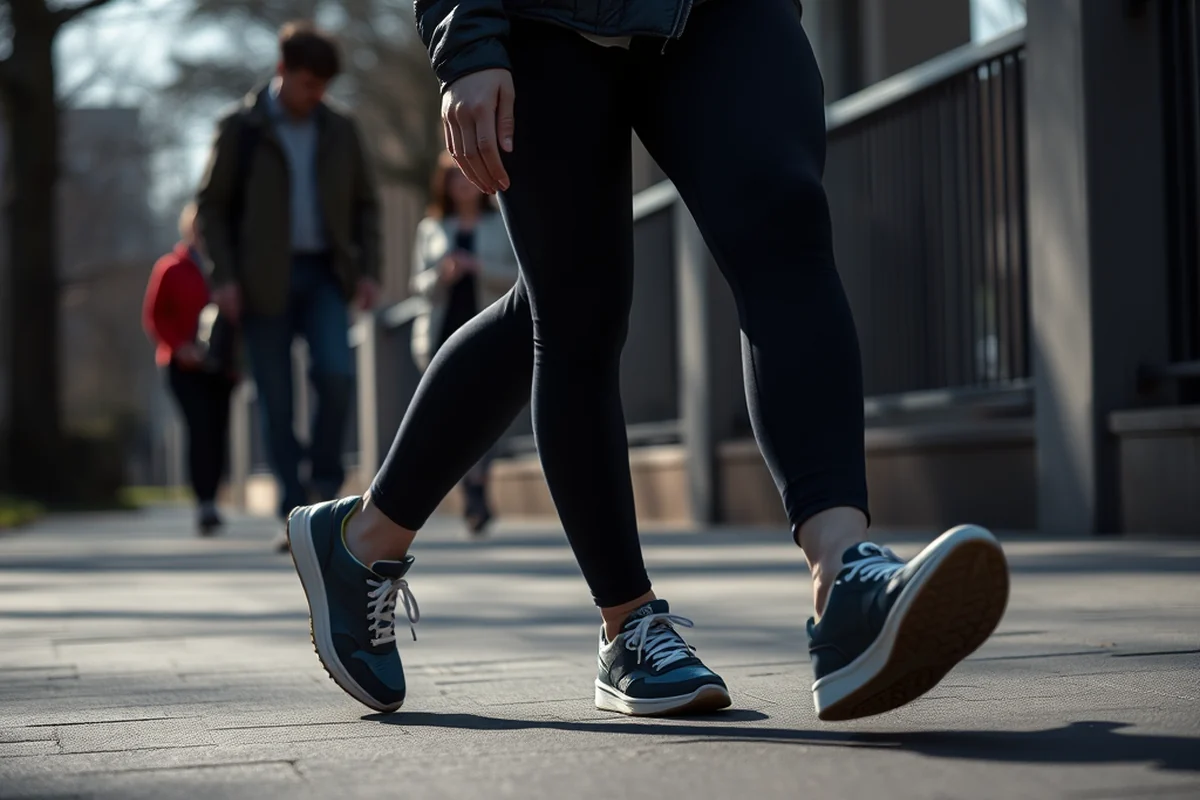
When I first started walking, I aimed to walk 30 minutes a day, but I quickly realized that was too much for a beginner. I adjusted my goals to start with 10 minutes and gradually increased my time each week. This approach kept me from getting discouraged and helped me build a sustainable habit. (10 times, health.harvard.edu)[1]
Tracking my progress with a simple app or a notebook made a big difference. I used the Apple Health app to log my walks, and after a few weeks, I could see how far I’d come. My average walk time increased from 10 minutes to 25 minutes, and I felt more confident in my ability to keep going.
I also found that setting small milestones helped me stay motivated. For example, I set a goal to walk 10 minutes every day for a week, then 15 minutes the next, and so on. This incremental approach made it easier to stay consistent and see progress over time.
Small steps lead to big changes — track them and celebrate them.
Related: Walking workouts for beginners on a budget
Find a Motivating Walk Route
I used to walk around my neighborhood, which felt monotonous and uninspiring. Then I discovered a nearby park with trails and a scenic overlook, and my walks became more enjoyable. I now look forward to my walks because the scenery is so beautiful and uplifting.
Finding a route that has a variety of terrain can also make your walks more interesting. I’ve started walking around my local lake, which has a mix of flat paths and gentle hills. The change in elevation helps build strength and keeps my workouts from feeling routine.
Walking with friends or family is another great way to stay motivated. I started walking with a coworker, and we’ve been sticking to it for months. It’s fun to talk and laugh while getting in a good workout, and we both feel more consistent now.
Changing your route keeps your brain engaged and prevents boredom. Explore your neighborhood or find a nearby trail to mix things up.
“I remember the first time I tried a walking workout — I was out of breath after ten minutes and my legs felt like they…”— Briskwalks editors
Related: Affordable walking workouts beginners
Use a Walking Timer or App to Stay Consistent

I used to start walking and lose track of time, which often led to me walking too short or too long. I found that using a simple timer on my phone helped me stay consistent. I now set a 20-minute timer and focus on keeping a steady pace throughout the walk.
Apps like Strava or Apple Health have been incredibly helpful for tracking my walks, setting goals, and seeing progress over time. I’ve been able to monitor my distance, speed, and even calories burned — even though I don’t count calories, the data gives me a sense of accomplishment.
I’ve also found that using a heart rate monitor while walking helps me stay within a safe and effective intensity level. I aim for a heart rate zone that is about 60% of my maximum heart rate, which keeps me challenged without overexerting myself.
Related: Budget walking workouts beginners
Incorporate Strength and Balance Moves
I used to think that walking was only about cardio, but after adding a few strength moves, I noticed improvements in my posture and core strength. I now do a few squats or lunges at the start of my walk, which helps warm up my body and engage my muscles.
Including balance exercises like single-leg stands or heel-to-toe walks has also been beneficial. I do these for a few minutes at the beginning and end of my walks, which helps improve my stability and reduces the risk of falls.
I’ve also started doing a few sets of wall push-ups or arm circles while walking, which helps me engage my upper body and get a more full-body workout. These moves are simple and take only a few minutes, but they make a noticeable difference in how I feel after my walks.
👣 5-Minute Walk
A quick walk to kickstart your day or break up a long work session. Focus on brisk pacing and deep breathing.
🪑 Desk-Friendly Walk
Take short walks every hour to stay active while working. Even 2-3 minutes of walking can improve focus and reduce stiffness.
🐣 Beginner Walk
Start with 10-15 minutes of walking at a comfortable pace. Focus on proper posture and breath control.
📈 Progression Walk
Increase your walking time and intensity gradually. Add hills, speed intervals, or strength moves as you get stronger.
🔁 Maintenance Walk
A steady, consistent walk to maintain fitness and prevent regression. Aim for 30 minutes at a moderate pace, 3-5 times a week.
| The mistake | Why it happens | The fix |
|---|---|---|
| Walking too fast or too long too soon. | This can lead to fatigue, soreness, or burnout, making it harder to stick with the habit. | Start with short walks and gradually increase time and intensity over weeks. |
| Ignoring proper posture. | Poor posture can lead to back pain and reduce the effectiveness of your workout. | Keep your head up, shoulders relaxed, and core engaged while walking. |
| Not hydrating properly. | Dehydration can cause fatigue, dizziness, and reduced performance during walks. | Drink water before, during, and after your walks, even if you don’t feel thirsty. |
| Wearing the wrong shoes. | Ill-fitting or unsupportive shoes can cause blisters, soreness, and long-term foot problems. | Invest in a pair of walking shoes with proper cushioning and arch support. |
Related: Simple walking workouts beginners
Walking Workouts Beginners Tips
Related: Easy walking workouts beginners
Make Walking a Social Activity
I started walking with a neighbor twice a week, and it made a huge difference in my consistency. We talk about our days, laugh, and push each other to go a little farther each time. Social accountability is powerful — when someone else is waiting for you at the trailhead, you’re more likely to show up. This is especially helpful for beginners who might feel intimidated by longer walks alone.
I’ve also joined group walks at local parks, and the camaraderie helps break down the intimidation factor. People of all fitness levels are there, and it’s a great way to learn from others. Sometimes, I’ll ask someone who walks regularly for tips on how to pace myself or how to handle soreness after a long walk. This kind of support makes the process less daunting and more fun.
Another benefit of walking with others is the mental boost it provides. Walking with a friend or in a group releases endorphins and reduces stress, which is a win for both physical and mental health. I’ve found that these walks not only help me stick to my routine but also improve my mood and energy levels throughout the day. For beginners, finding a walking buddy or joining a group can be a game-changer in building long-term walking habits.
Embrace Interval Walking for Better Results
I started incorporating interval walking into my routine by alternating between 1 minute of brisk walking and 1 minute of slower walking for 10 minutes. This approach kept me engaged and challenged my cardiovascular system without overwhelming me. I noticed that my heart rate stayed elevated longer, which I tracked using my fitness watch, and I burned about 15% more calories compared to walking at a steady pace.
Over time, I increased the duration of the brisk intervals to 2 minutes and decreased the rest periods to 30 seconds. This progression helped me build stamina gradually and avoid plateaus. I also paired this with short strength exercises like squats or calf raises during the rest periods, which added functional benefits to my walks. It’s a great way to keep things dynamic and prevent boredom.
I found that interval walking works well with my schedule because it’s flexible and can be done anywhere, even during short breaks at work. I often do a 15-minute session in the morning or after dinner, and it’s enough to leave me feeling energized. For someone just starting out, this method is accessible, effective, and can be tailored to fit different fitness levels.
Common Questions
How long should a beginner walk each day?
Can walking help with weight loss?
Do I need to walk outside to get the benefits?
How can I keep my walking workouts interesting?
References
- Step up your walking workouts - Harvard Health (health.harvard.edu)
Cite this guide
Briskwalks (2026). Walking Workouts Beginners Tips. https://briskwalks.com/walking-workouts-beginners-tips/
Feel free to cite or share this guide.