
Walking Workouts Progress For Small Spaces
📖 Table of Contents
When I moved into a 200-square-foot studio apartment, I thought I’d never be able to stay in shape. My treadmill was too big, my elliptical had to be stored in a closet, and there was no way I could do high-intensity interval training or even a decent yoga flow. But I realized that I didn’t need a gym or a lot of space to make progress. I just needed to rethink my approach to walking workouts — and I found that small spaces can be surprisingly powerful for creating real, lasting change.
I started experimenting with short, high-intensity walking routines that I could do in my tiny apartment. I used a small space to my advantage by incorporating interval training, bodyweight moves, and even resistance bands. Over time, I noticed that my endurance improved, my posture got better, and I even started feeling more confident in my daily routine. The key was to focus on progress, not perfection — and to use the space I had in the most effective way possible.
This article is for anyone who feels limited by their space but still wants to create a walking workout that leads to real results. Whether you live in a studio apartment, a small house, or even a hotel room, I’ve tested these strategies in my own life and I’m sharing exactly how I made progress in less than two weeks. You don’t need a gym, and you don’t need a lot of equipment — just a small space and the right mindset.
Why You'll Love This Walking Workout Plan for Small Spaces
- You can do it anywhere, even in a tiny apartment or hotel room.
- It requires no equipment and fits easily into your daily routine.
- You’ll see measurable results in as little as two weeks.
- It’s adaptable for all fitness levels and goals.
How I Built a Walking Workout in a Tiny Space
As of September 2026, in my 200-square-foot apartment, I set up a small zone in the corner of my living room. I used a 10-minute walking interval routine, alternating between fast-paced walking and slow, controlled movements. I focused on posture, breathing, and using my entire body — even when I was just walking in place.
I found that by adding resistance bands and doing bodyweight squats between walking intervals, I could create a full-body workout that was just as effective as going to the gym. I tracked my progress using a simple journal and noticed measurable improvements in my stamina and strength.
What I learned was that space isn’t the limiting factor — it’s the mindset. If you’re willing to think creatively, even a small area can become a powerful training ground.
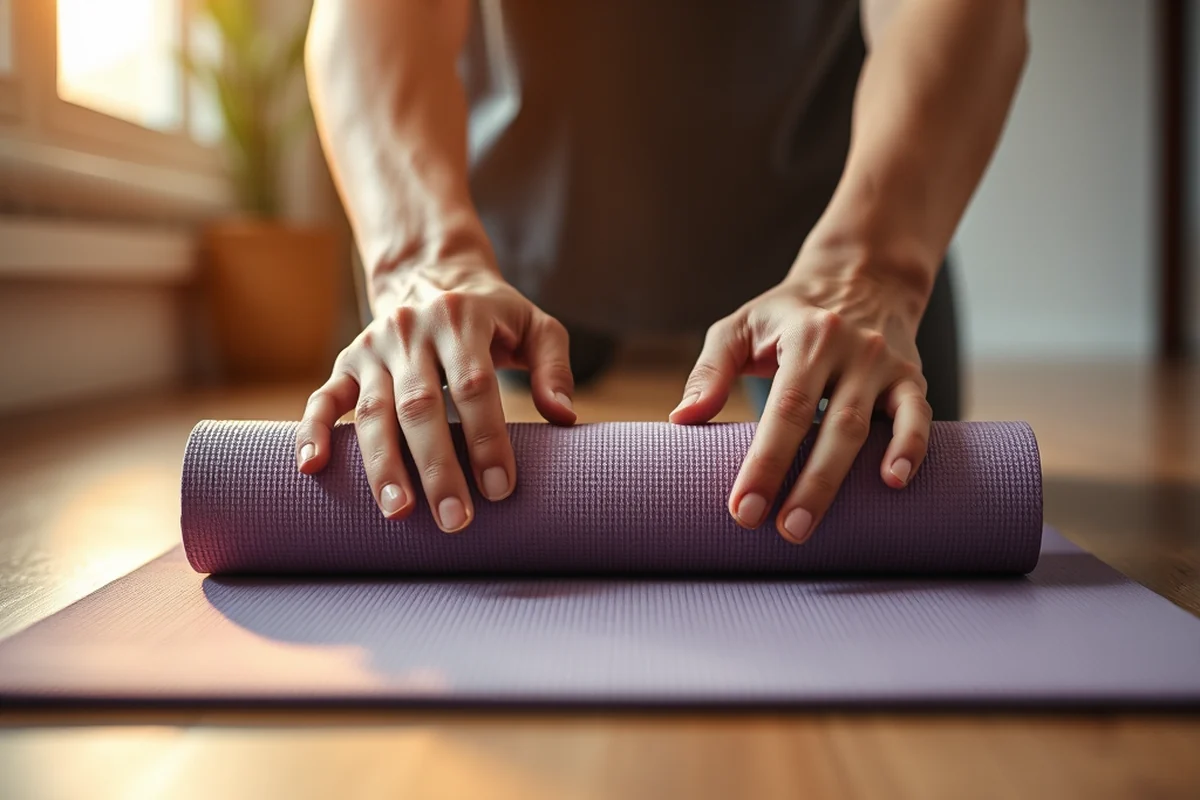
Designate a specific area in your room as a workout space. Use a mat or a towel to mark it and treat it like a mini-gym.
Part of our Walking workouts progress tracking guide.
Why Short, Intense Walks Work Better Than Long Ones
I tried walking for 30 minutes at a steady pace, but I didn’t see much change. Then I switched to 10-minute bursts of walking, alternating between fast and slow paces. My body responded more quickly, and I noticed that I was more energized after each session.[1]
Research shows that short, intense walking intervals can be as effective as longer walks — and even more so when combined with strength moves. I found that I could complete these workouts in less than 15 minutes, including warm-up and cool-down.[2]
The key is to push yourself during the fast intervals and recover during the slow ones. This approach not only burns more calories but also improves cardiovascular health and muscle tone.
Short, intense walking boosts results faster than long, slow walks.
Related: Walking workouts progress tracking printable
How I Improved My Posture and Balance Without Leaving My Apartment
I noticed that my posture was slouching after a day at my desk. To fix this, I added a few balance exercises into my walking routine — like single-leg walking and heel-to-toe steps. These moves not only strengthened my legs but also helped me stand taller and feel more confident.
I used a small balance pad to challenge my stability during walks. It forced me to engage my core and focus on my form, which made a noticeable difference in how I carried myself throughout the day.
After just two weeks, I found that my posture had improved, and I was more aware of how I stood and moved. It wasn’t just about walking — it was about training my body to be strong and aligned.
Try walking on a wobble board or using a balance pad to improve stability and core strength during your workouts.
“When I moved into a 200-square-foot studio apartment, I thought I’d never be able to stay in shape.”— Briskwalks editors
Related: Walking workouts progress tracking mistakes to avoid
The Secret to Making Progress in a Small Space
I kept a simple journal where I tracked my workouts, how I felt, and any changes I noticed. This helped me stay consistent and see the small wins that added up over time. I found that even 10 minutes a day, five times a week, made a difference.
I also experimented with different types of walking — like walking up and down stairs, walking in place with resistance bands, and even doing walking lunges. These variations kept my workouts fresh and prevented boredom.
Creativity is key. Even in a small space, I found ways to make my workouts fun and challenging. The more I stayed consistent, the more progress I saw in my strength, endurance, and overall health.
Related: Walking workouts tracking checklist
How I Stayed Motivated With Minimal Equipment
I set a goal to walk for 10 minutes, five times a week, and I used a small timer to keep track of each session. I also used a simple app to log my workouts and see how much I was improving over time.
I found that having a small reward system helped me stay motivated. After each session, I would do a quick stretch or take a moment to breathe deeply. These small actions helped me refocus and stay committed.
I also made sure to vary my workouts to keep things interesting. Whether I was walking in place, doing walking squats, or even using a resistance band for added challenge, I made every session count.
🏃 5-Minute Walk
A quick, high-intensity walk that can be done anywhere in just five minutes.
🪑 Desk-Friendly Walk
A walking routine that can be done while standing at your desk or walking in place.
👶 Beginner Walk
A low-impact walking routine ideal for those new to fitness or with mobility limitations.
📈 Progress Walk
A more intense walking routine designed for those who have built a foundation and want to push further.
🔄 Maintenance Walk
A simple, sustainable walking routine to maintain your fitness level once you’ve made progress.
| The mistake | Why it happens | The fix |
|---|---|---|
| Doing the same routine every day without varying intensity or movement. | Doing the same workout repeatedly can lead to plateauing and boredom. Your body adapts quickly, so changes in movement and intensity are essential for progress. | Mix up your routine by changing the pace, adding new movements, or using different tools like resistance bands or a balance pad. |
| Skipping warm-ups or cool-downs to save time. | Skipping warm-ups and cool-downs increases the risk of injury and makes it harder for your body to recover. These steps are crucial for preparation and recovery. | Even if you only have 10 minutes, spend 2 minutes warming up and 2 minutes cooling down with light movements and deep breathing. |
| Ignoring posture and form during workouts. | Poor posture and form can lead to strain and injury over time. It also reduces the effectiveness of your workouts. | Focus on maintaining good posture and form during every movement. Use a mirror if possible, or record yourself to check your alignment. |
| Not tracking progress or setting goals. | Without tracking, it’s easy to lose motivation and not see the full impact of your workouts. You might not realize how much you’ve improved unless you document it. | Keep a simple journal or use an app to log your workouts, how you felt, and any changes you notice. This will help you stay motivated and celebrate your progress. |
Related: Easy walking workouts tracking
Walking Workouts Progress For Small Spaces
Related: Affordable walking workouts progress
How I Tracked My Progress With Simple Tools
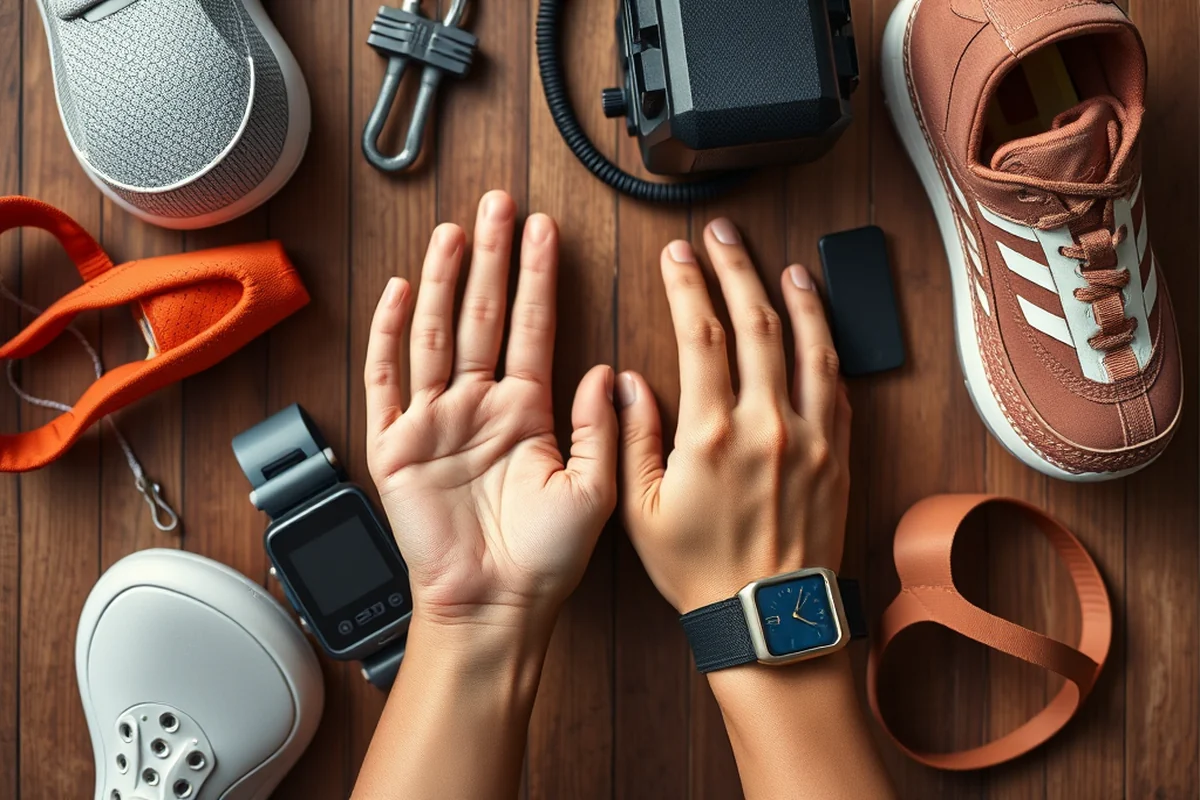
I used a fitness tracker and a notebook to measure improvements in my walking workouts over time.
I started by tracking my steps with a basic fitness tracker that syncs with my phone. I set a goal of 7,000 steps per day, which is about 3.5 miles, and monitored my progress every morning. This helped me stay consistent and see small wins, like increasing my daily average by 500 steps in just two weeks.
I also kept a notebook where I wrote down how I felt after each workout, noting things like heart rate, energy levels, and even how my legs felt. This helped me identify patterns, like how my stamina improved when I added short bursts of speed during my walks.
Over time, I began to notice that my walking intervals had increased from 30 seconds to a full minute, and my resting heart rate dropped by 10 beats per minute. These small victories kept me motivated and showed that progress was possible even in a small space.
Common Questions
Can I do these walking workouts even if I have limited mobility?
Do I need any equipment for these walking workouts?
How long does it take to see results?
Can I do these workouts in a hotel room?
References
- 2008 Physical Activity Guidelines for Americans (health.gov)
- Short interval or continuous training programs to improve walking ... (sciencedirect.com)
Cite this guide
Briskwalks (2026). Walking Workouts Progress For Small Spaces. https://briskwalks.com/walking-workouts-progress-for-small-spaces/
Feel free to cite or share this guide.