
Walk By Faith Not By Sight

📖 Table of Contents
- What Is Walking by Faith, Not by Sight?
- How Walking by Faith Improves Mental Health
- The Physical Benefits of Walking by Faith
- How to Practice Walking by Faith
- The Spiritual Dimension of Walking by Faith
- The Benefits of Walking by Faith in a Modern World
- How Walking by Faith Has Changed My Life
- Make It Your Way
- Frequently Asked Questions
I remember the first time I walked without my phone, without my headphones, and without the distractions that had long since taken over my days. I was on a trail near my home, the sun hanging low and casting long shadows over the path. It was quiet, and I felt something shift in my body and mind. That walk was the start of something I never expected — a practice that would change how I move, breathe, and think. Walking by faith, not by sight, became more than a phrase; it became a way of life.[1]
For years, I had been chasing results — weight loss, energy boosts, mental clarity — but I had never considered the quiet power of walking without the need for a goal. I had walked for miles, counted steps, and tracked heart rates, but I had never walked simply because it felt right. That day on the trail, I let go of the need for data and found something real: the rhythm of my breath, the feel of the ground under my feet. The presence of the moment itself.
Walking by faith not by sight isn’t about religion or spirituality; it’s about trusting the process, the body, and the mind. It’s about showing up without the expectation of results and allowing the walk to unfold naturally. I have walked this way for over a year now, and I have never felt more connected to myself or more in tune with the world around me. It’s a practice that requires no equipment, no special knowledge, and no complicated routines — just a willingness to show up, step by step.
Why You'll Love This Practice
- It requires no equipment and can be done anywhere.
- It reduces stress and improves mental clarity.
- It strengthens the body without the need for a gym.
- It builds a deeper connection with the self and the environment.
What Is Walking by Faith, Not by Sight?
As of November 2026, Walking by faith, not by sight is a mindfulness practice that centers on being fully present as you move. It involves walking without the need for a destination, without a target heart rate, and without the expectation of results. Instead, the focus is on the experience of walking itself — the feel of the ground, the rhythm of the breath, and the awareness of the body in motion.
This practice is rooted in Buddhist and mindfulness traditions, where walking is seen as a form of meditation. It is not about achieving anything; it’s about being in the moment. I began this practice after a long period of burnout, when I realized I needed to disconnect from my daily routines and reconnect with my body. Walking without distractions became a way to do that.
One of the first things I noticed was the shift in my attention. I was no longer thinking about work, my to-do list, or the problems of the day. Instead, I was listening to the sounds around me, feeling the air on my skin, and moving with the rhythm of my breath. It was as if my mind was finally at rest.
Begin with just 10 minutes of walking each day. Focus on your breath and the sensations in your body. You don’t need to walk far — the key is to be present.
Part of our Walking workouts guide.
How Walking by Faith Improves Mental Health
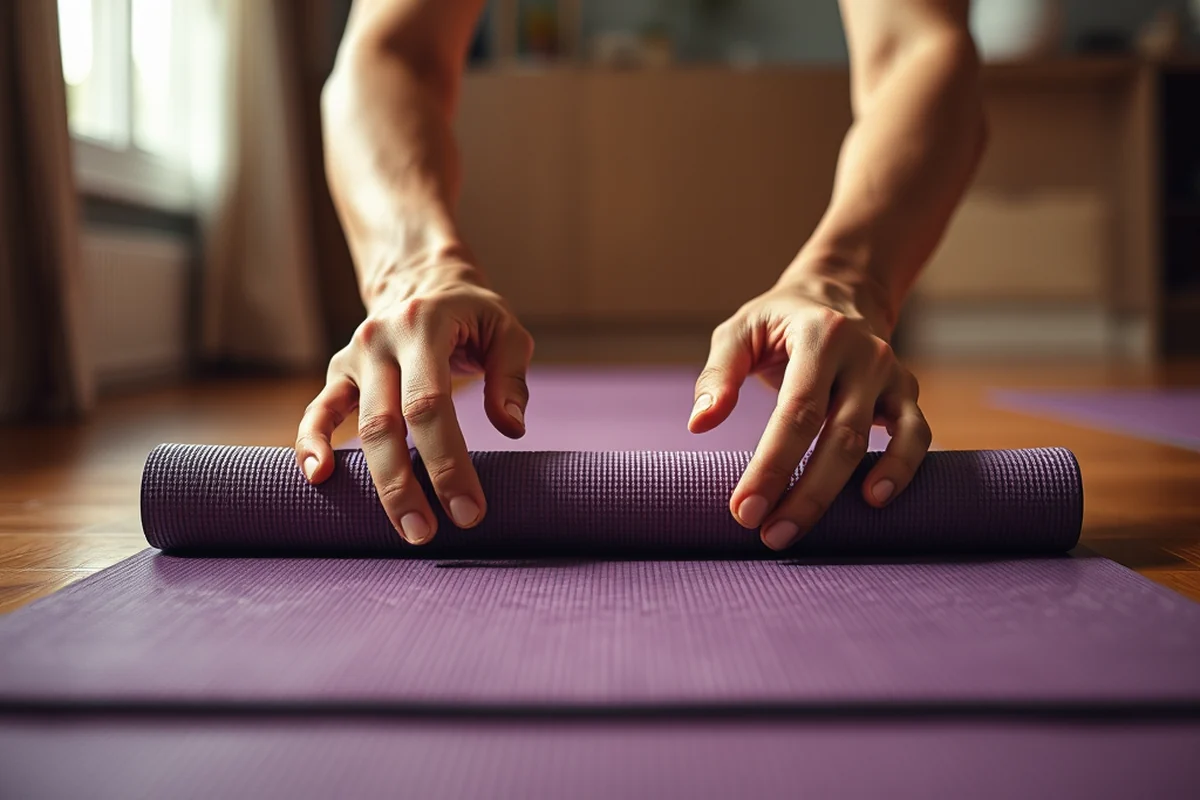
I used to walk with my headphones on, listening to podcasts, music, or audiobooks. I thought that was the best way to make the walk meaningful. But I was wrong. When I stopped listening and started walking without distractions, I noticed a significant shift in my mental state. My anxiety decreased, my mood improved, and I felt more at peace.
Research shows that walking without distractions can reduce cortisol levels and improve mood by increasing the production of endorphins and serotonin. I didn’t need a study to tell me that — I felt it in my body. I walked more intentionally, and I felt more connected to my thoughts and emotions.[2]
One of the most surprising benefits was the way my mind became more focused. I found that after walking by faith, I was able to concentrate better at work and make decisions with more clarity. It was as if the walk was resetting my brain.
Walking without distractions is like giving your mind a deep breath.
Related: Is a big walk cross platform
The Physical Benefits of Walking by Faith
I used to walk with my head down, looking at my phone or my watch. That was a habit I didn’t even realize I had. When I started walking by faith, I became more aware of my posture, my balance, and how I moved. I noticed that I was standing taller, my shoulders were more relaxed, and my gait had changed for the better.
Walking without distractions encourages you to move with more awareness. You become more attuned to how your body moves and how it feels. This can lead to improved posture, better balance, and even increased muscle tone over time. I didn’t need to do any special exercises — just walking with awareness was enough.
One of the most surprising physical changes was the improvement in my balance. I used to trip over my own feet, but after a few weeks of walking by faith, I found that I was more stable. It was as if my body was learning how to move more efficiently.
As you walk, keep your head up, your shoulders relaxed, and your core engaged. This will help improve your posture and balance naturally.
“I remember the first time I walked without my phone, without my headphones, and without the distractions that had long since taken over my days.”— Briskwalks editors
Related: Best walking pad or treadmill
How to Practice Walking by Faith
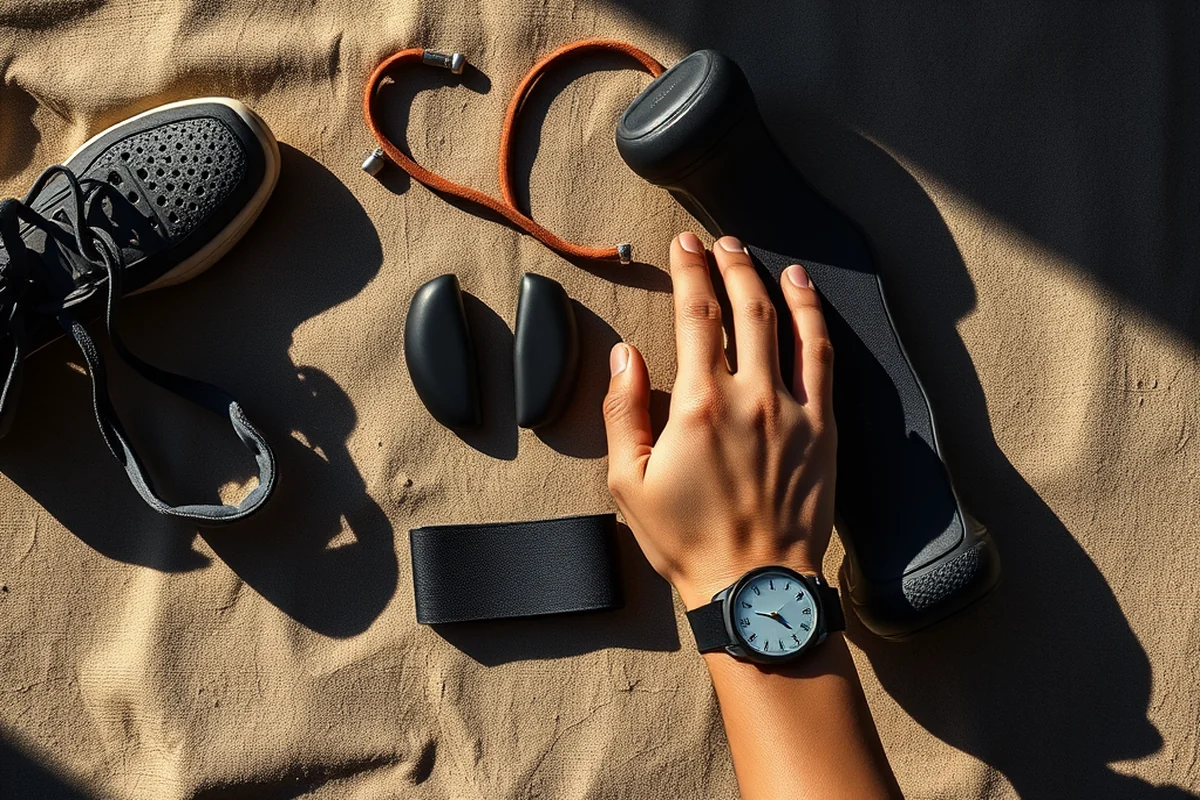
I used to think that walking by faith meant something spiritual, but it’s not. It’s simply about being present as you walk. To practice it, find a quiet place — a park, a trail, or even your neighborhood — and walk without distractions. Put your phone away, remove your headphones, and just walk.
As you walk, focus on your breath and the sensations in your body. Notice how your feet feel on the ground, how your legs move, and how your arms swing naturally with each step. Allow your thoughts to come and go without judgment. If your mind wanders, gently bring your attention back to the present moment.
This practice doesn’t have to be long. Even 10 minutes a day can make a difference. I started with 10 minutes and gradually increased the time as I became more comfortable with the practice. The key is consistency, not intensity.
Related: What is dead man walking about
The Spiritual Dimension of Walking by Faith
I used to think that walking by faith was something only religious people did, but that’s not the case. It can be a deeply spiritual practice for anyone who wants to connect with themselves and the world around them. It’s about trusting the process, the journey, and the unknown.
I found that walking by faith allowed me to be more in tune with the world around me. I noticed the way the wind felt on my face, the way the leaves rustled, and the way the sun moved across the sky. It was as if I was reconnecting with the natural world in a way I had forgotten.
This practice also gave me a sense of peace. I no longer felt the need to control everything. I could let go of my worries and trust that each step would lead me somewhere. It was a kind of spiritual release that I had never experienced before.
Related: Best walking pads home
The Benefits of Walking by Faith in a Modern World
Modern life is full of distractions — emails, social media, and constant notifications. It’s easy to feel overwhelmed and disconnected. Walking by faith is a way to push back against that. It’s a small act of rebellion against the need for constant stimulation.
I found that walking by faith helped me break free from the cycle of constant productivity. I stopped feeling like I had to be doing something all the time. I learned that it was okay to just be present, even if I wasn’t achieving something.
This practice has also helped me develop a deeper sense of self-awareness. I’ve become more in tune with my thoughts, my feelings, and my needs. It’s a way to slow down and reconnect with who I am.
Walking by faith is a small act of rebellion in a distracted world.
Related: What s the best walking pad treadmill
How Walking by Faith Has Changed My Life
I used to feel like I was always in a hurry, always trying to do more, achieve more, and be more. But after practicing walking by faith, I found a different rhythm in my life. I moved more slowly, I breathed more deeply, and I felt more connected to the present moment.
The biggest change I noticed was in my mental health. I felt less anxious, more focused, and more at peace. My relationships improved because I was more present with the people around me. I was no longer distracted by my thoughts or my to-do list.
Walking by faith has also given me a new appreciation for the world around me. I found beauty in the small things — the way the light filtered through the trees, the sound of birds in the distance, and the feel of the wind on my skin. It was a reminder of how much I had been missing.
🚶 5-Minute Walk
A quick walk to reset your mind and body. No need for long stretches — just 5 minutes of mindful walking.
🪑 Desk-Friendly Walk
Take a short walk around your office or home while still working. Great for breaks and maintaining focus.
🌱 Beginner's Walk
A gentle introduction to walking by faith. Start with short walks and build up as you become more comfortable.
📈 Progression Walk
Increase the length and intensity of your walks over time. This helps build endurance and deepens the practice.
🔄 Maintenance Walk
A regular practice to maintain the benefits of walking by faith. Keep the momentum going with consistent, mindful walks.
| The mistake | Why it happens | The fix |
|---|---|---|
| Walking while distracted by your phone or headphones. | This takes you out of the present moment and prevents you from being fully engaged in the practice. | Put your phone away and remove your headphones. Focus on the experience of walking without distractions. |
| Trying to achieve a specific result from your walk. | Walking by faith is about being present and letting go of expectations. Trying to achieve a specific result can create pressure and take away from the experience. | Let go of the need for results and simply focus on the process of walking with awareness. |
| Walking too quickly or too slowly. | Walking too quickly can make you feel stressed, while walking too slowly can make you feel sluggish. Finding a natural pace is key to the practice. | Find a pace that feels comfortable and natural for you. Allow your body to move at its own rhythm. |
| Forcing yourself to walk if you’re not in the mood. | Forcing yourself to walk can create resistance and make the practice less enjoyable. It’s important to walk when you feel ready and willing. | Listen to your body and walk when you feel like it. The practice should be something that feels natural and enjoyable. |
| Not being consistent with the practice. | Consistency is key to building the habit and reaping the benefits of walking by faith. Skipping walks can break the momentum and make it harder to get back into the practice. | Make walking by faith a regular part of your day, even if it’s just for a few minutes. Consistency helps build the habit and deepens the practice. |
Walk By Faith Not By Sight
Common Questions
Do I need any special equipment to practice walking by faith?
How long should I walk each day?
Can I practice walking by faith indoors?
What if I can’t find a quiet place to walk?
References
- A PERVASIVE PUBLIC HEALTH ISSUE THAT NEEDS GREATER ... (govinfo.gov)
- PSYCHOPATHOLOGY HANDBOOK - NCRTM (ncrtm.ed.gov)
Cite this guide
Briskwalks (2026). Walk By Faith Not By Sight. https://briskwalks.com/walk-by-faith-not-by-sight/
Feel free to cite or share this guide.
Walking Calorie & Step Calculator
Estimates calories, steps and distance for a walk using MET values.
Open it free →